


Reverse engineering has become a critical process in modern manufacturing, product development, and industrial design. One of the most transformative technologies driving this field forward is the 3D laser scanner. It enables engineers to capture precise physical data from existing objects and convert it into accurate digital models.
In this article, we will explore How a 3D Laser Scanner Revolutionizes Reverse Engineering, its applications, benefits, and the impact it has on various industries.
Understanding Reverse Engineering
Reverse engineering is the process of analyzing an existing object to understand its design, structure, and functionality. Traditionally, this involved manual measurements, sketches, and time-consuming calculations.
However, modern industries demand faster and more accurate methods. This is where digital tools like 3D scanning come into play, significantly improving efficiency and precision.
What is a 3D Laser Scanner?
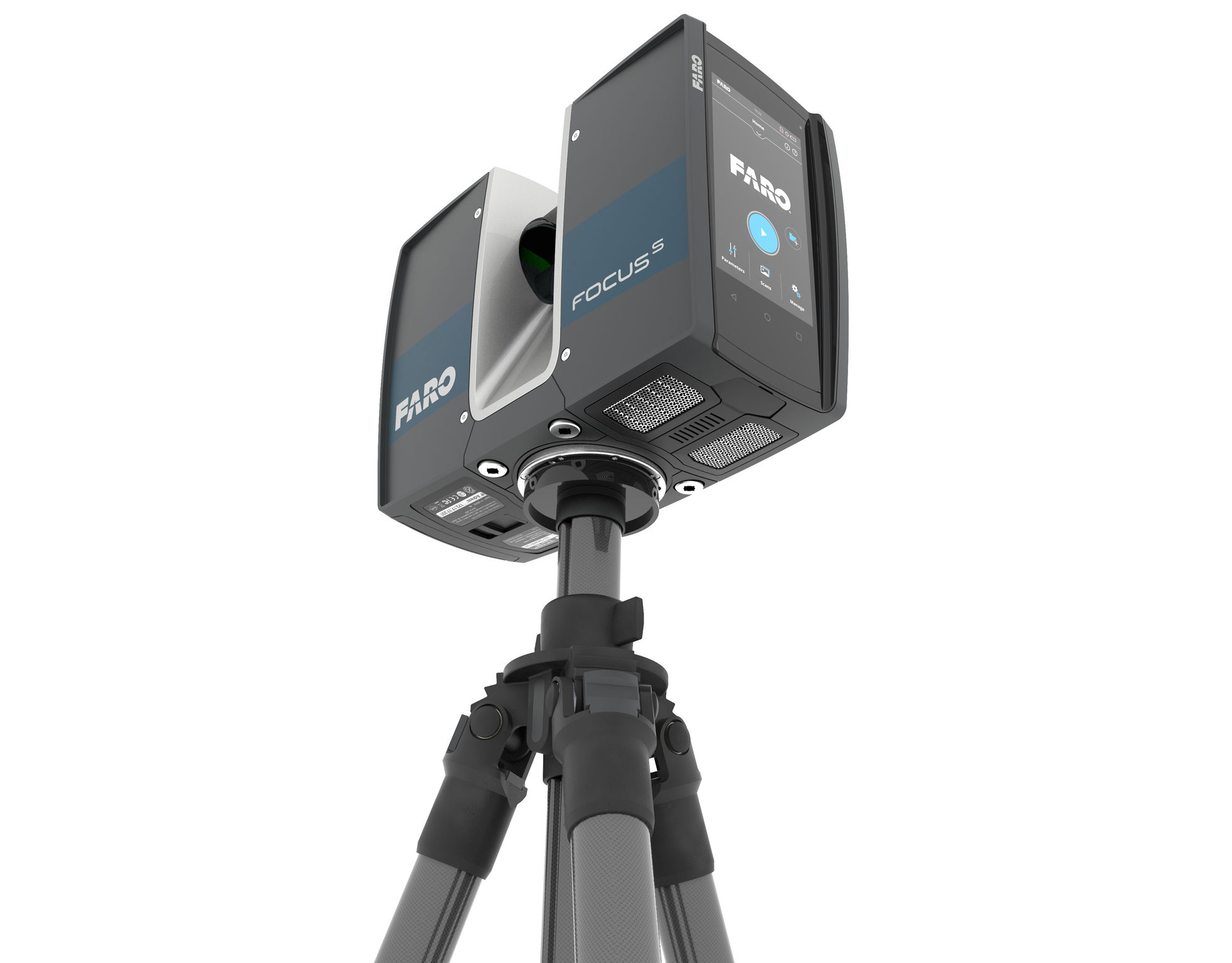
A 3D laser scanner is a device that captures the shape of physical objects using laser light. It collects millions of data points, known as a point cloud, which is then used to generate a detailed 3D model.
These scanners are widely used in automotive design, aerospace engineering, architecture, and medical applications.
How a 3D Laser Scanner Revolutionizes Reverse Engineering in Industry
How a 3D Laser Scanner Revolutionizes Reverse Engineering can be clearly seen in how it eliminates traditional limitations. Instead of relying on manual measurements, engineers can now scan entire components in minutes with extremely high accuracy.
Key improvements include:
- Faster data collection
- Reduced human error
- High-resolution digital models
- Ability to scan complex geometries
This transformation allows companies to redesign, reproduce, or improve existing products much more efficiently than before.
Benefits of Using 3D Laser Scanning in Reverse Engineering
1. High Precision and Accuracy
3D laser scanning captures intricate details that are nearly impossible to measure manually. This ensures that digital replicas are extremely close to the original object.
2. Time Efficiency
Tasks that once took days or weeks can now be completed in a fraction of the time. This accelerates product development cycles significantly.
3. Cost Reduction
By reducing manual labor and minimizing errors, companies save both time and money in the long run.
4. Improved Product Innovation
With accurate digital models, engineers can experiment with modifications and improvements without affecting the original object.
How a 3D Laser Scanner Revolutionizes Reverse Engineering Workflows
In modern workflows, How a 3D Laser Scanner Revolutionizes Reverse Engineering becomes even more evident when integrated with CAD (Computer-Aided Design) software.
The process typically involves:
- Scanning the physical object using a 3D laser scanner
- Converting the scanned data into a point cloud
- Processing the data into a mesh model
- Importing the model into CAD software for redesign or analysis
This streamlined workflow eliminates guesswork and improves collaboration between design and engineering teams.
Applications Across Industries
3D laser scanning is widely used in:
- Automotive industry for part replication and modification
- Aerospace for precision component analysis
- Manufacturing for quality control
- Healthcare for prosthetics and implants design
- Heritage preservation for digitizing artifacts
Each of these fields benefits from faster, more accurate reverse engineering processes.
Future of Reverse Engineering with 3D Scanning
As technology continues to evolve, 3D laser scanning will become even more advanced, with improved speed, portability, and integration with artificial intelligence.
The role of How a 3D Laser Scanner Revolutionizes Reverse Engineering will continue to expand as industries adopt digital transformation strategies. Real-time scanning and automated modeling are expected to become standard practices in the near future.
Conclusion
3D laser scanning has fundamentally changed the way reverse engineering is performed. By offering speed, accuracy, and efficiency, it allows engineers to recreate and improve existing products like never before.
Ultimately, How a 3D Laser Scanner Revolutionizes Reverse Engineering is not just a technological advancement—it is a complete shift in how industries design, analyze, and innovate.