


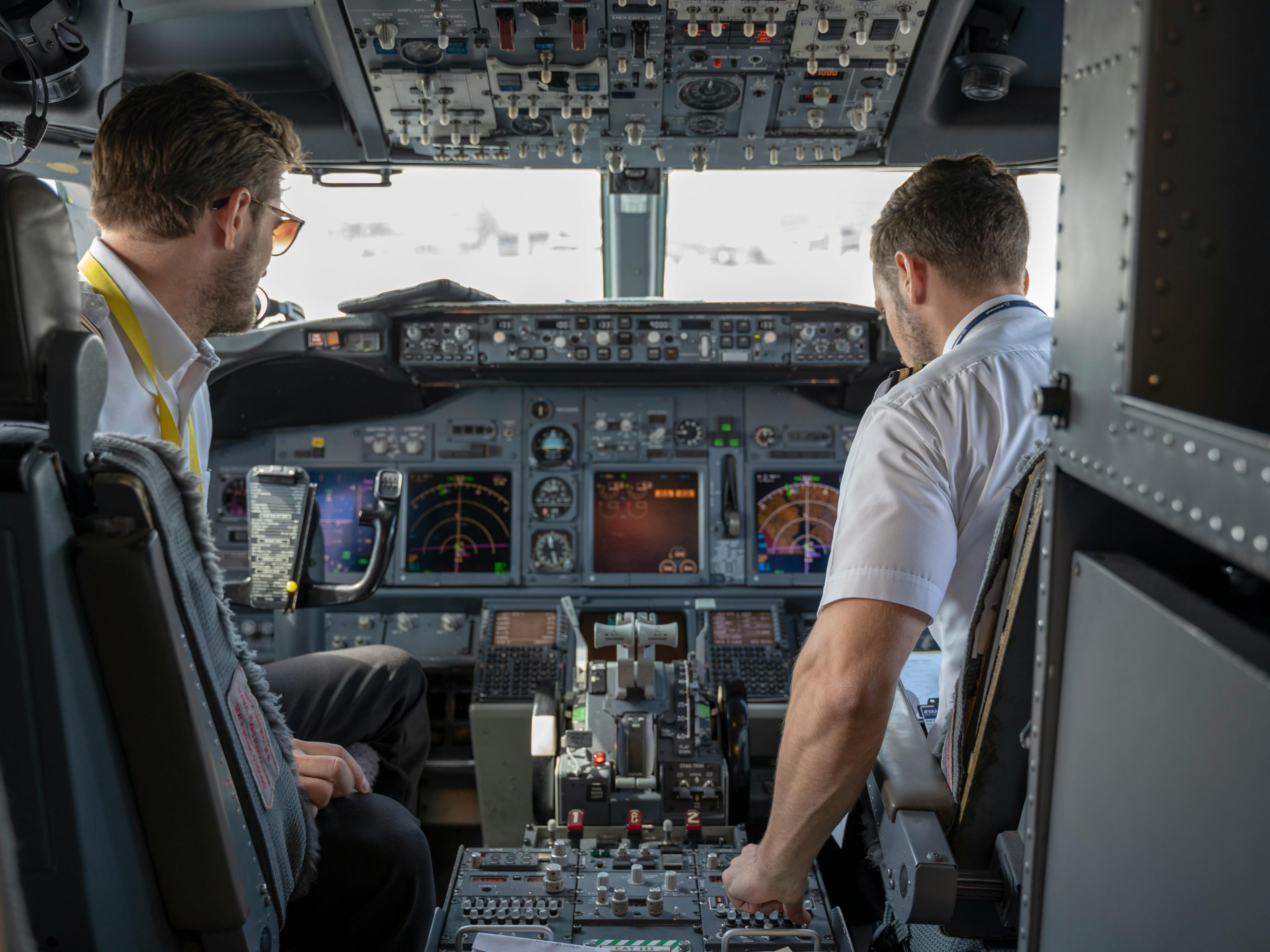
Behind every smooth flight is a pilot who’s trained, alert, and healthy—not just physically, but mentally too. Aviation demands precision and calm under pressure, which means even small health challenges can ripple through performance. For many pilots, admitting they need help—especially with issues like stress, anxiety, or substance use—can feel like risking their wings. That’s where aviation medicine steps in, not just as a gatekeeper, but as a lifeline.
Programs like the FAA’s Human Intervention Motivation Study, or HIMS, are built on the understanding that pilots are people first. They face the same struggles as anyone else, but their jobs require extra oversight and care. The goal of HIMS isn’t punishment—it’s partnership. It helps pilots get back to health and, when possible, back to the cockpit safely and confidently.
Understanding the HIMS Program’s Mission
The HIMS program began decades ago, designed initially to help pilots recovering from alcohol misuse return to flight status. Over time, it expanded to address a broader range of medical and mental health concerns. Today, HIMS-approved Aviation Medical Examiners (AMEs) work closely with pilots, treatment providers, and the FAA to ensure recovery is supported, monitored, and sustainable.
What makes this process unique is the balance between compassion and compliance. HIMS AMEs understands that healing takes time and honesty. They evaluate not just a pilot’s physical condition, but also their emotional readiness to fly again. A comprehensive HIMS AME evaluation, such as those offered by Examine Air, often includes psychological assessments, ongoing monitoring, and collaboration with therapists or support programs. It’s a holistic approach that values both accountability and empathy—because safety starts with trust.
The Role of Compassion in Aviation Medicine
For many pilots, the hardest part isn’t the treatment—it’s the stigma. The aviation world values strength, precision, and reliability. Admitting to burnout, depression, or dependency can feel like a career-ending confession. That’s why the human touch matters so much in aviation medicine.
HIMS AMEs and aviation health professionals know how to create a space where pilots feel safe to be honest. They listen, they explain, and they guide rather than judge. This connection helps break down the fear that often keeps pilots silent. In many cases, simply being heard—without the threat of losing everything—becomes the first real step toward healing. Compassionate medicine recognizes that recovery isn’t about ticking boxes on a form; it’s about helping someone reclaim their purpose and confidence.
Building a Culture of Support and Recovery
Aviation medicine is evolving from a strictly clinical model to a more supportive one. Airlines, unions, and the FAA now understand that prevention and early intervention save not just careers, but lives. That’s why peer programs have become such an important part of recovery. Many pilots in the HIMS program are mentored by others who’ve successfully completed it, creating a network of understanding that medical evaluations alone can’t provide.
This community-centered approach helps reduce isolation—a major factor in substance or mental health struggles. When pilots see that recovery doesn’t mean the end of their career, but rather a new beginning, they’re more willing to step forward. The entire aviation ecosystem benefits when pilots know they have allies who want to see them succeed, not sideline them.
Redefining Strength in the Cockpit
Recovery in aviation medicine isn’t about perfection; it’s about resilience. The pilots who complete HIMS programs often describe the experience as life-changing—not only because it restored their medical certification, but because it gave them a deeper sense of balance. They return to their profession not just as pilots, but as people who’ve learned to manage stress, maintain healthy habits, and ask for help when needed.
This shift in mindset is slowly reshaping aviation culture. The more the industry embraces the idea that strength includes vulnerability, the safer and healthier the skies become. A pilot who’s supported through recovery is a pilot who can focus fully on the mission at hand: keeping passengers and crew safe above the clouds.
Healing with Humanity
The future of aviation medicine lies in understanding that health isn’t a checklist—it’s a journey. Supporting pilots through recovery requires medical skill, yes, but also empathy, patience, and hope. The HIMS program proves that with the right guidance and care, pilots can overcome personal challenges and return to the flight deck stronger than before.
Ultimately, the human side of aviation medicine reminds us that safety doesn’t just come from machines or procedures—it comes from people caring for people. When pilots are seen, supported, and given the tools to heal, everyone on board benefits. That’s the true spirit of aviation: trust, teamwork, and the courage to soar again.
