


As the seasons shift, your home’s comfort depends on how well your HVAC system adapts. For new and long-time homeowners, preparing your system before the weather changes can save money, improve efficiency, and extend the life of your equipment. A little preparation now prevents costly repairs later and ensures your home stays comfortable year-round. So, here’s a guide on how to do it, step-by-step!
Cleaning and Replacing Air Filters for Better Airflow
One of the simplest yet most important steps in seasonal HVAC preparation is checking your air filters. Filters trap dust, pollen, and other particles, but over time they become clogged. A dirty filter forces your system to work harder, which increases energy use and reduces indoor air quality. Replacing or cleaning filters every one to three months keeps airflow strong and helps your system run smoothly.
For homeowners with pets or allergies, clean filters are even more critical. Fresh filters mean cleaner air and fewer allergens circulating through your home. This small task not only improves comfort but also protects your HVAC system from unnecessary strain. By making filter maintenance a regular habit, you set the foundation for reliable performance no matter the season.
Inspecting and Cleaning Vents and Ductwork
Air ducts and vents are the pathways that deliver heated or cooled air throughout your home. If they are blocked by dust, debris, or even furniture, your system cannot distribute air evenly. Seasonal preparation should include a quick inspection of vents to ensure they are open and unobstructed. Wiping down vent covers also helps reduce dust buildup.
For ducts, professional cleaning every few years can make a noticeable difference in efficiency and air quality. Leaks or gaps in ductwork can cause conditioned air to escape, forcing your system to work harder. Sealing these leaks improves energy efficiency and keeps your home more comfortable. By paying attention to vents and ducts, you ensure that your HVAC system delivers consistent comfort to every room.
Testing the Thermostat for Accuracy and Efficiency
Your thermostat is the control center of your HVAC system, and it needs to be ready for seasonal changes. Before temperatures swing, test your thermostat to make sure it responds correctly. Set it a few degrees higher or lower and listen for the system to turn on. If it doesn’t, or if the temperature feels off, it may be time for recalibration or replacement.
Smart thermostats are a great upgrade for homeowners who want more control and efficiency. They allow you to program schedules, monitor energy use, and even adjust settings remotely. Whether you use a traditional or smart thermostat, ensuring it works properly helps your HVAC system run efficiently and keeps your home comfortable as the seasons change.
Scheduling Professional HVAC Maintenance
While there are many tasks homeowners can handle themselves, professional maintenance is essential for long-term system health. HVAC technicians perform detailed inspections, clean internal components, and check for issues that may not be visible to the untrained eye. Seasonal tune-ups can catch small problems before they turn into expensive repairs.
A technician can also provide personalized recommendations based on your system’s age, condition, and usage. For new homeowners, this is especially valuable because it helps you understand your system’s needs and ensures it’s ready for both hot summers and cold winters. If you’re unsure where to start, click here for more info about professional maintenance and other HVAC services for your home.
Checking Outdoor Units for Seasonal Readiness
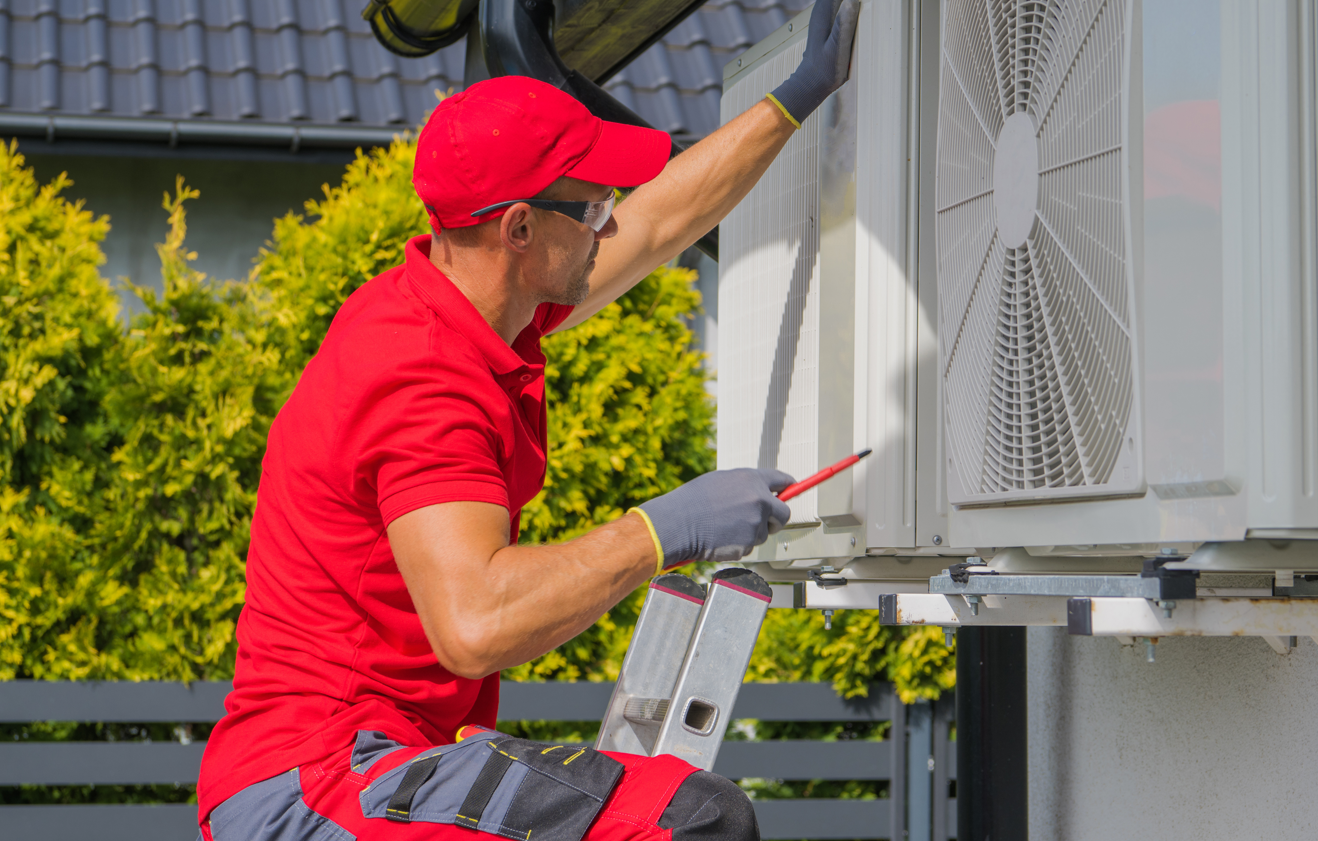
Your HVAC system’s outdoor unit is exposed to the elements year-round, making it especially important to prepare it for seasonal changes. In the fall, clear away leaves, branches, and debris that may have collected around the unit. In the winter, protect it from ice and snow buildup by ensuring proper drainage and keeping the area clear. In the spring and summer, check for weeds or plants that may block airflow.
Regularly inspecting the outdoor unit helps prevent damage and ensures efficient operation. If you notice unusual noises, visible wear, or bent fins, it’s best to have a professional take a closer look. A well-maintained outdoor unit works more efficiently, reduces energy costs, and extends the life of your HVAC system.
Sealing Windows and Doors to Support HVAC Efficiency
Even the best HVAC system cannot perform well if your home is leaking air. Drafty windows and doors allow conditioned air to escape, forcing your system to work harder to maintain the desired temperature. Seasonal preparation should include checking for gaps and sealing them with weatherstripping or caulk.
This simple step not only improves comfort but also lowers energy bills. It keeps warm air inside during the winter and cool air inside during the summer. For new homeowners, sealing your home is one of the most cost-effective ways to support your HVAC system and create a more energy-efficient living space.
Conclusion
Preparing your HVAC system for the changing seasons is an investment in comfort, efficiency, and peace of mind. By cleaning filters, inspecting vents, testing thermostats, scheduling professional maintenance, checking outdoor units, and sealing your home, you ensure that your system is ready for whatever the weather brings.
With a little care and attention, your HVAC system will keep your home comfortable year-round while saving you money and reducing stress.