


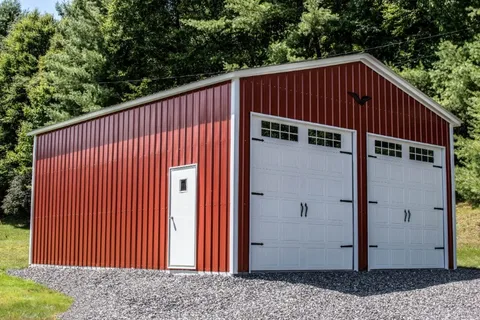
As homeowners, tradespeople and businesses look for practical ways to expand their space, metal workshops and garages have become one of the most popular solutions across the UK. Offering a blend of durability, affordability and adaptability, modern steel buildings provide secure storage, reliable workspaces and long-term performance that outshine many traditional structures.
Whether you’re restoring cars, running a small business, working on DIY projects, or simply need extra room for equipment, a steel workshop or metal garage delivers a dependable and low-maintenance solution. This in-depth guide explores the benefits, options, costs and installation process of choosing a metal building in the UK.
-
Why Metal Workshops and Garages Are Ideal for UK Properties
The UK’s diverse weather conditions and increasing need for functional space have pushed steel buildings into the spotlight. They offer significant advantages over timber or brick alternatives.
1.1 Built to Handle British Weather
From months of rain to coastal winds and frosty winters, the British climate demands strong, weather-resistant structures. Metal garages and workshops are engineered to resist:
- Continuous moisture and humidity
- Strong winter winds
- Salt exposure in coastal regions
- Temperature changes and frost
- Moss and mould growth
With anti-corrosion coatings and robust framing, steel buildings perform exceptionally well throughout the UK’s shifting seasons.
1.2 Excellent Durability and Long Lifespan
Metal workshops and garages are designed to last for decades. Unlike wood, steel doesn’t warp, split, rot or attract pests, and it retains structural integrity for the long term.
Most modern steel structures benefit from:
- Galvanised steel frames
- Protective powder coatings
- Anti-corrosion treatment
- UV-resistant paints
This results in low maintenance and impressive longevity.
1.3 Fast, Clean, and Easy Installation
Prefabricated metal buildings simplify the installation process. Components are pre-cut, pre-drilled and engineered for quick assembly. This reduces labour costs and minimises disruption on your property.
Most small to medium metal garages can be installed in a single day by a professional team.
1.4 Cost-Effective Without Compromising Quality
Compared to brick or timber constructions, metal workshops and garages typically cost far less while offering superior performance.
Benefits include:
- Lower upfront costs
- Reduced labour expenses
- Minimal maintenance
- Excellent long-term value
1.5 Highly Customisable
From size and layout to insulation and door configurations, metal buildings are fully customisable. This makes them suitable for countless applications, from domestic garages to commercial workshops.
-
Popular Types of Metal Workshops and Garages in the UK
Metal buildings come in a range of structural styles, each designed for different uses and budgets.
2.1 Standard Steel-Framed Garages
These garage buildings combine a steel frame with metal wall and roof panels.
Ideal for: storing vehicles, equipment and household items
Benefits: affordable, strong, low maintenance
2.2 Insulated Metal Workshops
Featuring insulated composite panels or internal insulation, these workshops maintain stable internal temperatures year-round.
Ideal for: professional workshops, home businesses, craft studios
Benefits: energy efficient, reduces condensation
2.3 Commercial-Grade Steel Workshops
Heavier steel sections and wider spans make these buildings suitable for industrial activities.
Ideal for: mechanics, commercial storage, small manufacturing
Benefits: high load capacity, tall ceilings
2.4 Agricultural Metal Buildings
Large-span steel structures that support heavy operation in rural environments.
Ideal for: tractors, feed storage, hay barns, machinery
Benefits: huge internal space, robust, weather-resistant
2.5 Arch-Style (Quonset) Buildings
Recognisable for their curved design, these structures offer excellent strength-to-cost ratios.
Ideal for: storage, farming, workshops on a budget
Benefits: easy assembly, high wind resistance
-
Planning Permission for Metal Garages and Workshops in the UK
Many UK customers are able to install a metal workshop without planning permission, though certain conditions apply. Planning rules depend on the building’s size, height, placement and intended use.
3.1 When Planning Permission May Not Be Required
A metal garage or workshop might fall under Permitted Development Rights if:
- It’s under 2.5m high at the eaves (or up to 4m with a pitched roof)
- It’s located behind the main house
- It doesn’t exceed 50% of the garden area
- It’s not intended for living accommodation
- The property isn’t listed or in a conservation area
3.2 When Permission Is Likely Needed
Planning permission may be necessary if:
- The building is close to boundaries
- You want to run a business from the space
- The structure is particularly tall or large
- You live in a protected or heritage area
Checking with your local planning authority ensures full compliance.
-
Choosing the Right Size and Layout
One of the biggest advantages of metal buildings is the variety of available sizes.
4.1 Common UK Sizes
Single garage: 3m × 5m
Double garage: 6m × 6m
Triple garage: 9m × 6m
Small workshop: 6m × 4m
Medium workshop: 9m × 6m
Large workshop: 12m × 10m or more
4.2 Interior Layout Options
Your intended use determines how the interior should be arranged. Consider adding:
- Workbenches or tool stations
- Wall-mounted storage
- Loft storage or mezzanines
- Electrical sockets and lighting
- Heating or insulation
- Vehicle lifts
- Wash stations
- Partitioned rooms
Thinking ahead helps ensure the workshop remains useful even as your needs change.
-
Foundation and Flooring Options
Metal workshops and garages require a stable, level base for structural integrity.
5.1 Concrete Slabs
The most common foundation choice in the UK. Standard slabs range from 100mm to 150mm thick.
5.2 Reinforced Concrete
For heavy-duty operations or vehicle lifts, a reinforced slab of 150–200mm thickness is recommended.
5.3 Alternative Foundation Systems
Although less common, ground screws or timber bearers may be suitable for smaller, lightweight buildings.
-
Key Advantages of Metal Workshops and Garages6.1 Strength and Stability
Steel is one of the strongest building materials available, offering excellent load-bearing capacity and resistance to harsh weather.
6.2 Reliable Security
Metal garages are incredibly secure—particularly when fitted with:
- Roller shutters
- Steel personnel doors
- Anti-tamper locks
- Alarm systems
- CCTV
This ensures valuable tools, machinery and vehicles remain protected.
6.3 Extremely Versatile
Metal workshops are used across the UK for:
- Car maintenance
- Woodworking
- Fabrication
- Motorcycle storage
- Gardening equipment
- Agricultural needs
- Home business operations
- E-commerce stock storage
- Hobbies and recreation
The adaptability of steel buildings makes them suitable for nearly any purpose.
6.4 Energy Efficiency with Insulation
Modern insulated metal workshops retain heat efficiently, lowering energy costs and creating a comfortable working environment.
6.5 A Future-Proof Building Solution
Metal buildings can easily be extended or upgraded. Add-on bays, lean-tos, new doors or storage areas can be added as your needs expand.
-
UK Pricing Guide: Metal Workshops and Garages
Prices vary based on size, material thickness, insulation and features, but here’s a general guide:
7.1 Average Costs
- Single metal garage: £3,000–£7,000
- Double garage: £6,000–£12,000
- Insulated workshop: £8,000–£20,000
- Large commercial workshop: £20,000–£60,000+
7.2 Installation Costs
Professional installation usually ranges between £400–£1,800 depending on building size.
7.3 Concrete Base Costs
Expect £80–£150 per m², depending on thickness and reinforcement.
7.4 Optional Extras
- Electric roller shutters: £500–£1,900
- Windows: £150–£600
- Electrics: £300–£2,000
- Insulation upgrades: £800–£5,000
- Skylights: £200–£500
-
Installation Process for Metal Workshops and GaragesStep 1: Site Preparation
Clear the area and ensure the ground is level.
Step 2: Lay the Concrete Base
Pour the slab and allow adequate curing time.
Step 3: Install the Steel Frame
The main structure is assembled and secured.
Step 4: Fit Wall & Roof Panels
Cladding is installed quickly thanks to prefabricated design.
Step 5: Add Doors, Windows & Features
Roller doors, personnel doors and windows are fitted.
Step 6: Interior Finishing
Electrical work, heating, shelving and insulation can be added.
Most installations take 1–2 days once the base is ready.
-
Customisation Options for Your Metal Building9.1 Exterior Upgrades
- Colour options
- Wood-effect cladding
- Roof ventilation
- Guttering and downpipes
- Lean-to extensions
9.2 Internal Options
- Partition walls
- Racking and shelving
- Workbenches
- Insulated panels
- Lighting and electrical systems
9.3 Smart Features
- Remote-controlled doors
- Alarm systems
- Wi-Fi integration
- Smart lighting
- Solar panel systems
-
Maintenance Tips to Maximise Longevity
Although metal buildings require minimal care, a few steps help keep them in top condition:
- Wash external surfaces annually
- Inspect seals and joints
- Lubricate door mechanisms
- Clear gutters and downpipes
- Touch up any scratches on coated surfaces
Well-maintained metal workshops often last 30–50+ years.
Conclusion
Metal workshops and garages have established themselves as one of the most reliable, cost-effective and versatile building options across the UK. Engineered to withstand British weather, easy to customise and quick to install, these structures offer unbeatable practicality for homeowners, tradespeople and businesses alike.
Whether you’re looking for a secure garage, a functional workspace, an agricultural building or a long-term commercial unit, a steel workshop or metal garage delivers outstanding value and performance. With low maintenance requirements and the ability to expand or adapt over time, they represent a smart investment for any property.