


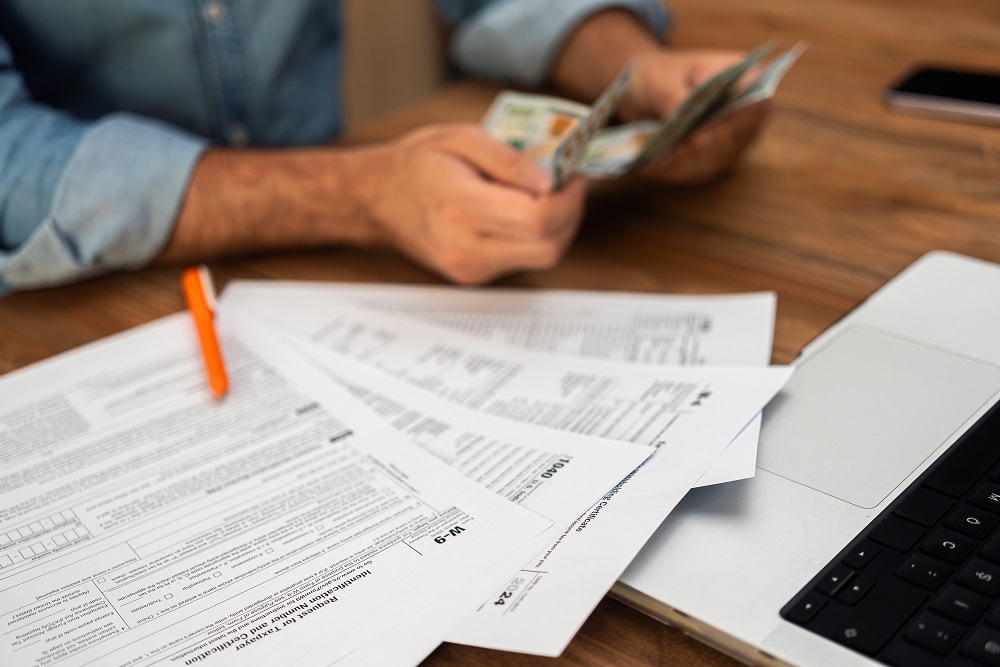
Becoming a California Registered Tax Return Preparer is a structured process designed to ensure accuracy, professionalism, and compliance with state regulations. Whether you are starting a new career or expanding your existing financial services, understanding each requirement helps you move forward with confidence. From education to registration and ongoing compliance, each step plays an important role in protecting both preparers and taxpayers. Below is a clear breakdown of what you need to know to get started.
Complete the Required Education
Education is a key requirement for becoming a registered tax return preparer in California. The state mandates qualifying education that covers federal tax law, California tax law, and professional ethics. These courses typically include topics such as filing statuses, income types, deductions, credits, and compliance responsibilities. Structured programs are designed to ensure learners gain both theoretical understanding and practical application.
A commonly recognized option is the CA CTEC 60-Hour Course, which fulfills the initial education requirement when completed through an approved provider. Completing the required education equips you with the foundational knowledge needed to prepare accurate tax returns. This step also builds confidence before moving forward with registration.
Obtain a Preparer Tax Identification Number (PTIN)
Before registering with the state, all compensated tax return preparers must have a Preparer Tax Identification Number from the IRS. This number must be provided by anybody who prepares or aids in the preparation of federal tax returns for pay. Applying for a PTIN is done directly through the IRS and must be renewed annually. The process includes identity verification and payment of a registration fee.
Having a valid PTIN ensures accountability and traceability in tax preparation activities. It also allows the IRS to monitor compliance among paid preparers. Securing your PTIN early helps keep the registration process moving smoothly.
Register with the California Tax Education Council
Once the education requirement is complete, the next step is to register with the California Tax Education Council. This process involves submitting proof of completed coursework from a CTEC-approved education provider. You must already have a valid PTIN before applying. Registration typically includes a background check and payment of applicable fees.
These measures help ensure that only qualified and trustworthy individuals prepare tax returns for the public. After approval, CTEC issues a registration number to the preparer. This number must be included on prepared tax returns and related documentation.
Secure a Surety Bond and Meet Ethical Standards
California requires registered tax return preparers to maintain a surety bond as part of consumer protection measures. The bond helps protect clients in the event of errors, misconduct, or fraud. Bond coverage must remain active for as long as you are registered. In addition to bonding, preparers must agree to follow ethical standards set by CTEC and the IRS.
These standards address honesty, confidentiality, and responsible representation of tax matters. Violations can lead to penalties or loss of registration. Maintaining ethical practices builds trust and strengthens your professional reputation.
Maintain Your Registration Each Year
Registration as a California tax return preparer requires ongoing attention and annual renewal. The state requires continuing education each year to keep your registration active and compliant. These courses help preparers stay current with changing tax laws and updated filing requirements. Timely renewal is important, as lapses can lead to penalties or restrictions on practice.
Keeping organized records of completed courses and renewal confirmations is strongly recommended. Ongoing education also improves accuracy and efficiency when working with clients. Maintaining compliance supports long-term credibility and professional growth.
Conclusion
Becoming a California Registered Tax Return Preparer involves a clear, step-by-step process that supports professionalism and taxpayer protection. From completing education and securing identification to registration and ethical compliance, each requirement serves an important purpose.
While the process requires attention to detail, it is manageable with proper planning. Staying organized and meeting deadlines helps avoid unnecessary setbacks. Ongoing education and ethical standards ensure continued growth in the profession. With commitment and consistency, this career path can be both stable and rewarding. Following these steps lays a strong foundation for long-term success in tax preparation.
