


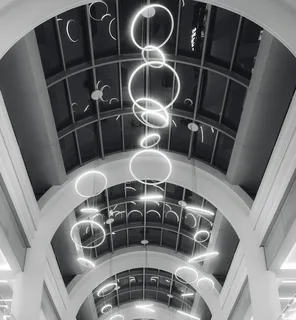
In today’s rapidly changing world, sustainability has become a key focus in nearly every industry. The lighting industry, particularly modern decorative lighting manufacturers, is no exception. As environmental concerns continue to rise, manufacturers are embracing innovative, sustainable practices to reduce their environmental footprint while providing stylish and functional lighting solutions. This article explores the sustainable practices being adopted by modern decorative lighting manufacturers and how these efforts are helping shape the future of the industry.
The Importance of Sustainability in the Lighting Industry
As energy consumption and environmental degradation become more pressing global issues, industries are under increasing pressure to adopt sustainable practices. The lighting sector, traditionally known for high energy consumption, is now leading the charge in green initiatives. Lighting products, especially decorative lighting, are not only meant to illuminate spaces but also to add beauty and functionality to interiors. However, as demand for eco-friendly products rises, manufacturers are being called to align design with sustainability.
Reducing Energy Consumption with LED Technology
One of the most significant advancements in sustainable lighting has been the widespread use of LED (Light Emitting Diode) technology. Modern decorative lighting manufacturers are increasingly incorporating LED bulbs in their designs, which are more energy-efficient than traditional incandescent or fluorescent lighting. LEDs consume up to 75% less energy and have a longer lifespan, meaning fewer resources are used to produce replacements.
Additionally, many LED systems come with dimming capabilities, allowing users to control brightness levels and further reduce energy consumption. This shift towards energy-efficient lighting helps minimize electricity costs for consumers and reduces carbon emissions globally.
Sustainable Materials in Lighting Design
Incorporating sustainable materials into decorative lighting is another way manufacturers are minimizing their environmental impact. Many modern lighting designs now feature recycled or upcycled materials, such as reclaimed wood, recycled glass, and eco-friendly metals. These materials are often sourced locally to reduce the carbon footprint associated with transportation.
Some manufacturers are also using biodegradable or recyclable materials for the packaging of their lighting products, which helps reduce waste in the production and distribution phases.
Sustainable Manufacturing Processes
Beyond the materials used, the manufacturing processes themselves are evolving to be more sustainable. Several modern decorative lighting manufacturers are now implementing green practices within their production lines. These practices include:
- Reduced Waste Production: Many companies are adopting lean manufacturing methods, which help minimize waste and improve production efficiency.
- Energy-Efficient Factories: Some manufacturers have moved to factories powered by renewable energy sources, such as solar or wind power, to further reduce their carbon footprint.
- Water Conservation: Water usage during production processes is being optimized to reduce waste, and some manufacturers are recycling water within their facilities.
By integrating these sustainable practices into their operations, lighting manufacturers can significantly reduce their environmental impact, providing both eco-friendly products and a greener production process.
Consumer Awareness and Demand for Sustainable Lighting
As more consumers become aware of environmental issues, they are placing greater emphasis on sustainability when purchasing lighting products. Modern decorative lighting manufacturers are responding to this demand by offering products that are not only stylish and functional but also environmentally responsible.
Many manufacturers now include eco-certifications or energy ratings on their products, making it easier for consumers to choose sustainable lighting options. This shift in consumer preference is creating a positive feedback loop, where sustainable practices are incentivized by market demand.
Conclusion
Sustainable practices among modern decorative lighting manufacturers are essential for reducing environmental impact and ensuring a brighter, greener future. From energy-efficient LED technology to the use of sustainable materials and manufacturing processes, the lighting industry is taking significant strides toward eco-friendly solutions. As consumer demand for sustainable products continues to grow, manufacturers will likely continue to innovate, further pushing the industry towards sustainability. This is a promising trend that benefits both the environment and consumers, paving the way for a more sustainable and energy-efficient future in decorative lighting.