


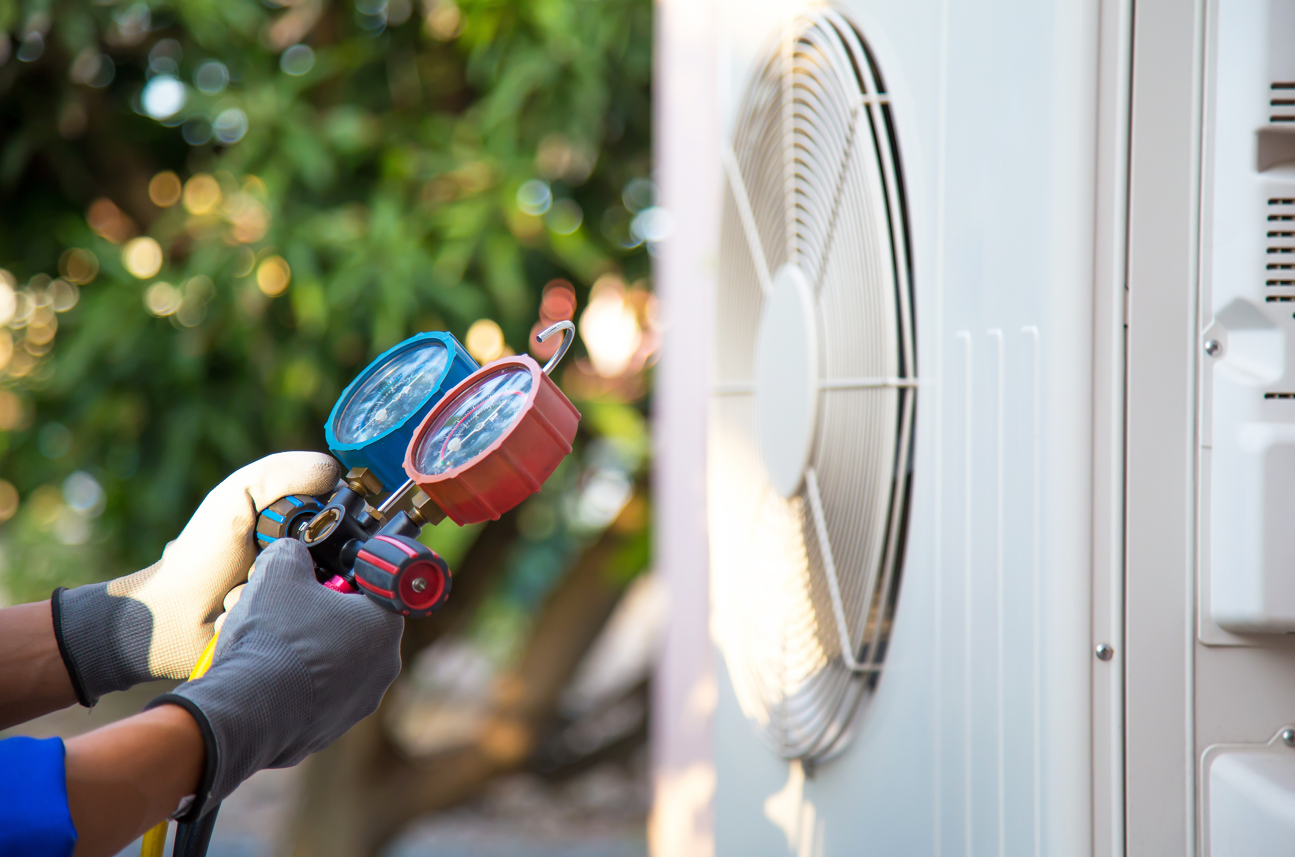
Your HVAC system is one of the most important investments in your home. It keeps you comfortable through hot summers and cold winters, but like any machine, it eventually wears out. Recognizing the signs early can help you avoid costly emergencies and make a smart decision about upgrading.
Let’s explore five clear indicators that your HVAC system may be ready for a replacement.
Rising Energy Bills Despite Regular Use
If your energy bills are steadily increasing even though your usage hasn’t changed, your HVAC system may be losing efficiency. As systems age, they often struggle to maintain performance, forcing them to work harder and consume more energy. This inefficiency can be caused by worn-out parts, outdated technology, or simply the natural decline of an older unit.
While regular maintenance can help extend its life, there comes a point when repairs no longer offset the rising costs. Upgrading to a new system can restore efficiency, reduce monthly expenses, and give you peace of mind knowing your energy dollars are being used wisely.
Frequent and Costly Repairs
Every HVAC system needs occasional repairs, but if you find yourself calling a technician multiple times a year, it’s a warning sign. Frequent breakdowns not only disrupt your comfort but also add up financially. When repair costs start approaching the price of a new unit, it’s usually smarter to invest in HVAC replacement.
A modern system will provide reliability and reduce the stress of constant repairs. Instead of worrying about whether your unit will make it through another season, you can enjoy consistent comfort and fewer unexpected expenses.
Uneven Heating or Cooling Throughout Your Home
Do some rooms feel too hot while others remain chilly? Uneven temperatures are often a sign that your HVAC system is struggling to distribute air properly. This can happen when components wear out, ductwork becomes inefficient, or the system is no longer powerful enough for your home’s needs.
Uneven heating and cooling not only make your home uncomfortable but can also signal deeper issues with airflow and efficiency. A replacement ensures consistent comfort in every room, eliminating frustrating hot and cold spots and improving the overall livability of your space.
Strange Noises or Unpleasant Odors
Your HVAC system should run quietly in the background. If you start hearing grinding, banging, or squealing noises, it may indicate serious mechanical issues. Similarly, musty or burning smells can signal problems with wiring, insulation, or mold growth inside the unit. These issues often point to deeper wear and tear that repairs can’t fully resolve.
Ignoring them can lead to bigger problems, including safety risks. Replacing the system is often the safest and most effective solution, giving you a fresh start with a unit designed to run quietly and cleanly.
Age of the System Exceeds its Expected Lifespan
Most HVAC systems last between 10 to 15 years with proper maintenance. If yours is older than that, it’s likely operating far below modern efficiency standards. Even if it still runs, an outdated system can cost you more in energy and repairs than it’s worth.
Newer models are designed with advanced technology that improves performance, reduces energy consumption, and enhances indoor air quality. Upgrading to a new unit not only improves comfort but also adds value to your home. Think of it as an investment in efficiency, reliability, and long-term savings.
Conclusion
Recognizing these signs early can help you avoid costly emergencies and keep your home comfortable year-round. Rising bills, frequent repairs, uneven temperatures, strange noises, and an aging system all point to the need for HVAC replacement.
By upgrading to a modern unit, you’ll enjoy better efficiency, reliable performance, and peace of mind knowing your home is in good hands. Making the switch at the right time ensures you’re not just replacing a system—you’re investing in your comfort and future savings.