


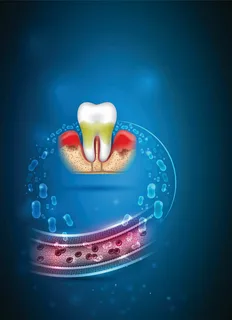
Your mouth is essentially the front door to your body, hosting a wildly active microscopic ecosystem. In this warm, wet environment, over seven hundred different bacterial species are constantly fighting for dominance. Keeping all these tiny residents in a healthy balance takes more than just a casual brush in the morning. Prioritizing strict dental hygiene is honestly a critical defense mechanism. It protects not just your teeth and gums, but actively shields your entire physiological system from a cascade of bacterial infections.
How Cavities Actually Start
Every time you eat, a microscopic chemical reaction kicks off. Certain bacteria, especially a stubborn strain called Streptococcus mutans, absolutely love to gorge on the fermentable carbs left behind on your teeth. As these bugs digest those sugars, they pump out lactic acid. This acidic waste causes the pH levels in your mouth to plummet, launching a direct attack on your tooth enamel, the hardest, most mineralized material in the human body. When your mouth stays highly acidic, the enamel starts losing its minerals. Over time, this structural breakdown is exactly what allows cavities to form. Simultaneously, bacteria build a sticky, clear biofilm called plaque all over your tooth surfaces and along the gumline.
The Danger of Tartar
If left completely undisturbed for just forty-eight hours, that soft plaque actually starts absorbing calcium and phosphate from your saliva. This causes the biofilm to calcify into calculus, which most people know as tartar. Unlike regular plaque, tartar is like hardened cement that you absolutely cannot scrub off with a standard toothbrush at home. Having this crusty material stuck near your gums acts as a constant physical irritant, prompting your immune system to respond with localized inflammation. This early stage of gum disease, recognized medically as gingivitis, usually shows up as red, puffy tissue that bleeds easily when you brush.
Getting Rid of the Plaque
To stop this pathological cycle, mechanically removing the bacteria is your best daily intervention. Dental professionals universally agree that you need to brush twice a day using a soft-bristled brush and fluoride toothpaste. Fluoride acts like a chemical shield, binding to your tooth structure to form fluorapatite, a compound significantly more resistant to acid than your natural enamel. But brushing alone only manages to clean about sixty percent of the visible tooth surface.
Do Not Forget the Hidden Spaces
Those tight spaces between your teeth, known as interproximal areas, trap massive amounts of food debris and bacterial colonies. Cleaning out those neglected zones requires using interdental tools daily, like traditional string floss or specialized interdental brushes. Skipping this step leaves forty percent of your mouth entirely untouched. This gives nasty anaerobic bacteria a perfect safe haven to multiply and thrive, totally out of reach from your toothbrush bristles.
The Body Connection
The consequences of ignoring these foundational habits go well beyond the mouth. When gingivitis progresses into periodontitis, the chronic infection starts destroying the alveolar bone that anchors your teeth in place. Even more alarming, inflamed, highly vascular gum tissue gives oral bacteria a direct on-ramp into your bloodstream. Clinical research has drawn undeniable links between severe periodontal disease and elevated systemic inflammation. This oral-systemic connection makes managing diabetes significantly harder, increases the risk of cardiovascular events, and elevates the chances of respiratory complications.
Why You Need a Pro
Because tartar is so aggressive and gum disease progresses so stealthily, your at-home routine inevitably needs professional reinforcement. You need specialized clinical interventions to thoroughly check for early signs of decay, oral cancer, and bone loss. Modern facilities like Dentprime use advanced diagnostic imaging and professional scaling tools to scrape away the hardened calculus deposits that daily brushing leaves behind. These professional deep cleanings effectively reset the oral environment, stopping soft tissue inflammation dead in its tracks.
Food and Hydration
Nutrition also plays a massive role in your clinical outcomes. Chronically sipping acidic drinks and eating processed sugars keeps your mouth trapped in a constant state of demineralization. On the flip side, staying hydrated and eating a diet full of fibrous, crunchy vegetables naturally stimulates saliva production. Saliva is basically nature’s ultimate buffering agent. It washes away loose food particles, neutralizes destructive acids, and actually pushes essential repairing minerals directly back into the microscopic pores of your enamel all day long.
Health Starts Here
Sustaining a healthy smile takes relentless daily commitment paired with precise, scientifically backed techniques. The human mouth is not just an isolated structure, but rather a profoundly interconnected organ system. Through meticulous mechanical cleaning, strategic dietary choices, and regular professional oversight, you can preserve the structural integrity of your teeth and gums for a lifetime. Prioritizing this level of care ultimately fortifies your body’s natural defenses, proving that true health really does begin the moment you open your mouth.