


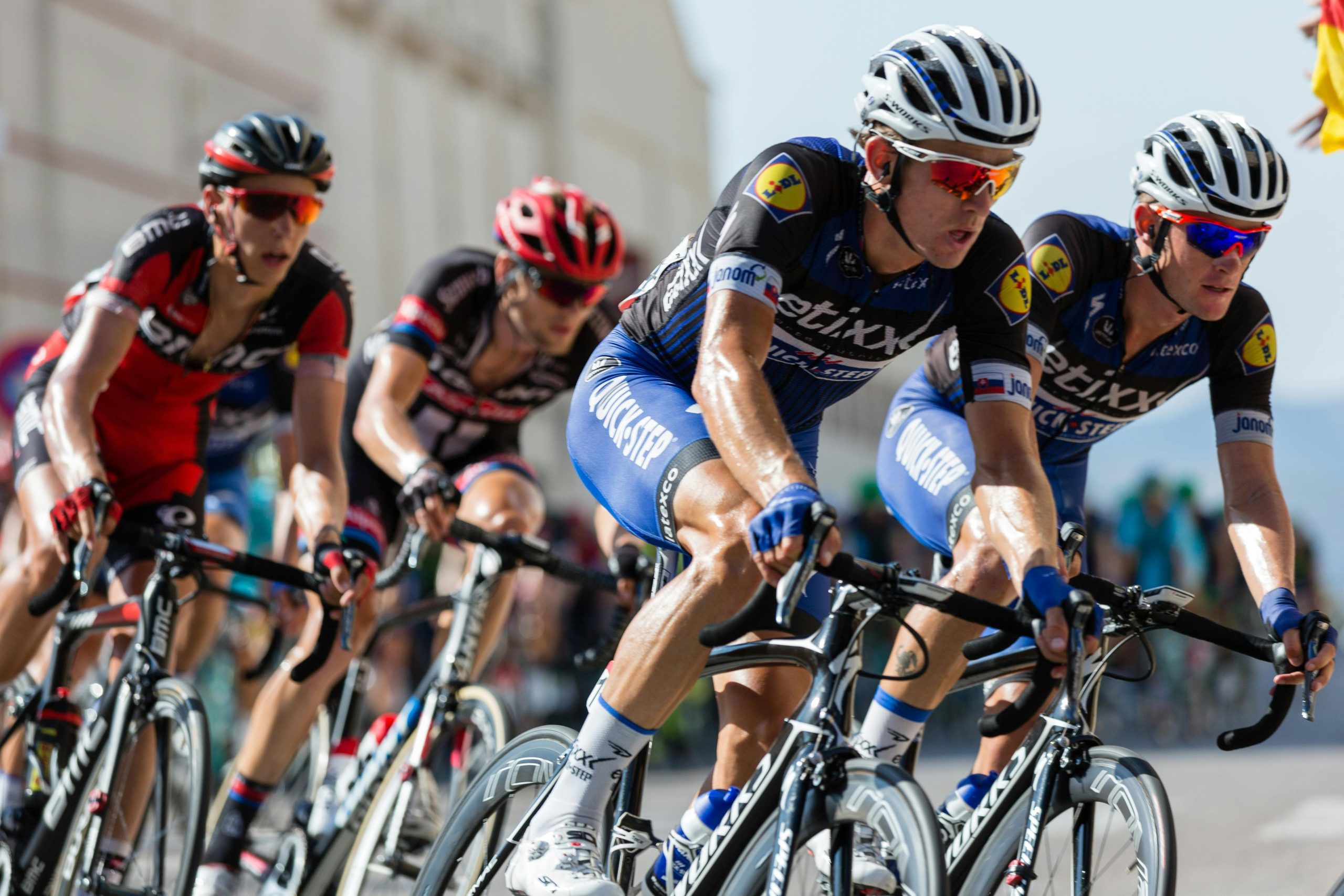
Cycling is a sport built on rhythm, endurance, and patience. Whether someone rides for fitness, competition, or personal challenge, progress rarely happens by chance. Instead, improvement develops through structure, balance, and intentional effort. A well-designed cycling training plan helps riders train smarter, recover properly, and stay motivated over time. Rather than focusing on intensity alone, an effective approach considers the body as a whole and adapts to both goals and lifestyle.
Establishing Clear Training Goals
Every successful training journey begins with clarity. Cyclists often ride for different reasons, ranging from improved cardiovascular health to preparing for long-distance events. Establishing specific, realistic goals creates direction and prevents training from feeling scattered or overwhelming. These goals may focus on endurance, speed, strength, or overall consistency, yet they should remain flexible enough to evolve over time.
As goals become clearer, training sessions gain purpose. Riders begin to understand why certain rides feel easier while others demand more effort. This sense of intention helps transform routine workouts into meaningful progress, especially when motivation fluctuates.
Building a Strong Endurance Base
Endurance forms the foundation of effective cycling performance. Before emphasizing speed or power, cyclists benefit from developing aerobic capacity through steady, controlled rides. These sessions teach the body to use oxygen efficiently while strengthening muscles and connective tissues.
Over time, consistent endurance work improves stamina and resilience. Riders often notice that longer distances feel more manageable and recovery between rides becomes quicker. As a result, endurance training supports both physical adaptation and mental confidence, allowing cyclists to push boundaries gradually and safely.
Integrating Strength and Power Development
While cycling appears primarily endurance-based, strength plays a critical role in efficiency and control. Incorporating power-focused sessions helps riders handle varied terrain, maintain speed, and reduce fatigue during demanding rides. These efforts may include controlled bursts of intensity that challenge muscles without overwhelming the body.
When thoughtfully integrated, strength-focused training complements endurance rather than competing with it. Riders learn to apply force smoothly and sustain effort over time, creating a more balanced and adaptable riding style.
Managing Recovery and Rest
Progress does not occur during training alone. Recovery allows the body to adapt, rebuild, and grow stronger after stress. Without sufficient rest, even the most dedicated cyclist risks burnout or injury. Therefore, a thoughtful approach to rest is essential for long-term success.
Recovery includes lighter rides, rest days, and attention to sleep and nutrition. By listening to physical cues and adjusting effort accordingly, cyclists can maintain momentum while protecting their overall well-being. Over time, this balance supports consistency and enjoyment, which are often overlooked aspects of training.
Supporting Performance Through Nutrition
Nutrition plays a subtle yet powerful role in cycling performance. Fueling properly before and after rides supports energy levels, muscle repair, and mental focus. Rather than adhering to rigid rules, many cyclists benefit from learning how different foods affect their performance and recovery.
Hydration is equally important, especially during longer or more intense sessions. When nutrition aligns with training demands, riders often experience improved endurance and steadier energy throughout their rides. This connection reinforces the idea that training extends beyond time spent on the bike.
Adapting Training to Individual Needs
No two cyclists are the same, which is why flexibility remains essential. Factors such as age, experience, schedule, and physical condition all influence how a plan should be structured. An effective cycling training plan adapts to these variables rather than forcing riders into a rigid framework.
Adjustments may occur in response to fatigue, life changes, or evolving goals. By allowing room for adaptation, cyclists maintain progress without unnecessary pressure. This personalized approach encourages long-term commitment and reduces the risk of frustration or injury.
Maintaining Motivation and Mental Focus
Training is as much a mental process as a physical one. Motivation naturally fluctuates, particularly during challenging phases or slower progress. Developing routines, tracking improvement, and celebrating small milestones help sustain focus and enthusiasm.
Mental resilience grows when cyclists view training as a journey rather than a test. By staying present and acknowledging effort, riders cultivate a healthier relationship with the sport. This mindset often leads to more consistent engagement and deeper satisfaction over time.
Sustaining Long-Term Progress
Cycling rewards patience and persistence. While quick gains may occur initially, lasting improvement unfolds gradually. A sustainable approach emphasizes consistency, recovery, and adaptability rather than extremes. Over time, these principles create a rhythm that supports both performance and enjoyment.
As cyclists continue to refine their approach, they often discover that structure enhances freedom rather than limiting it. With a thoughtful plan in place, each ride becomes an opportunity to build strength, confidence, and connection to the sport.
