


Running a storage facility for your business requires more than just shelves and square footage – safety is the backbone of effective operations. When you keep your assets secure, employees feel confident and clients trust your ability to protect their goods. Strong safety measures also keep minor issues from turning into costly disruptions.
This article will discuss proven safety essentials so businesses can create facilities that are efficient and resilient.
Robust Access Control Systems
Managing who enters and exits your storage facility is important to maintain security. Today, traditional locks and keys are no longer sufficient, and businesses now must balance convenience with accountability. Managers should consider adopting modern access control systems with technologies such as keycard entry, biometric scanners, and remote monitoring platforms that allow managers to track activity in real time.
These systems make it possible to restrict access to sensitive areas. They also quickly update permissions when staff roles change and generate detailed logs that support investigations if incidents occur. By investing in robust access control, businesses reduce the likelihood of unauthorized entry and create a culture of accountability.
Comprehensive Fire Suppression Systems
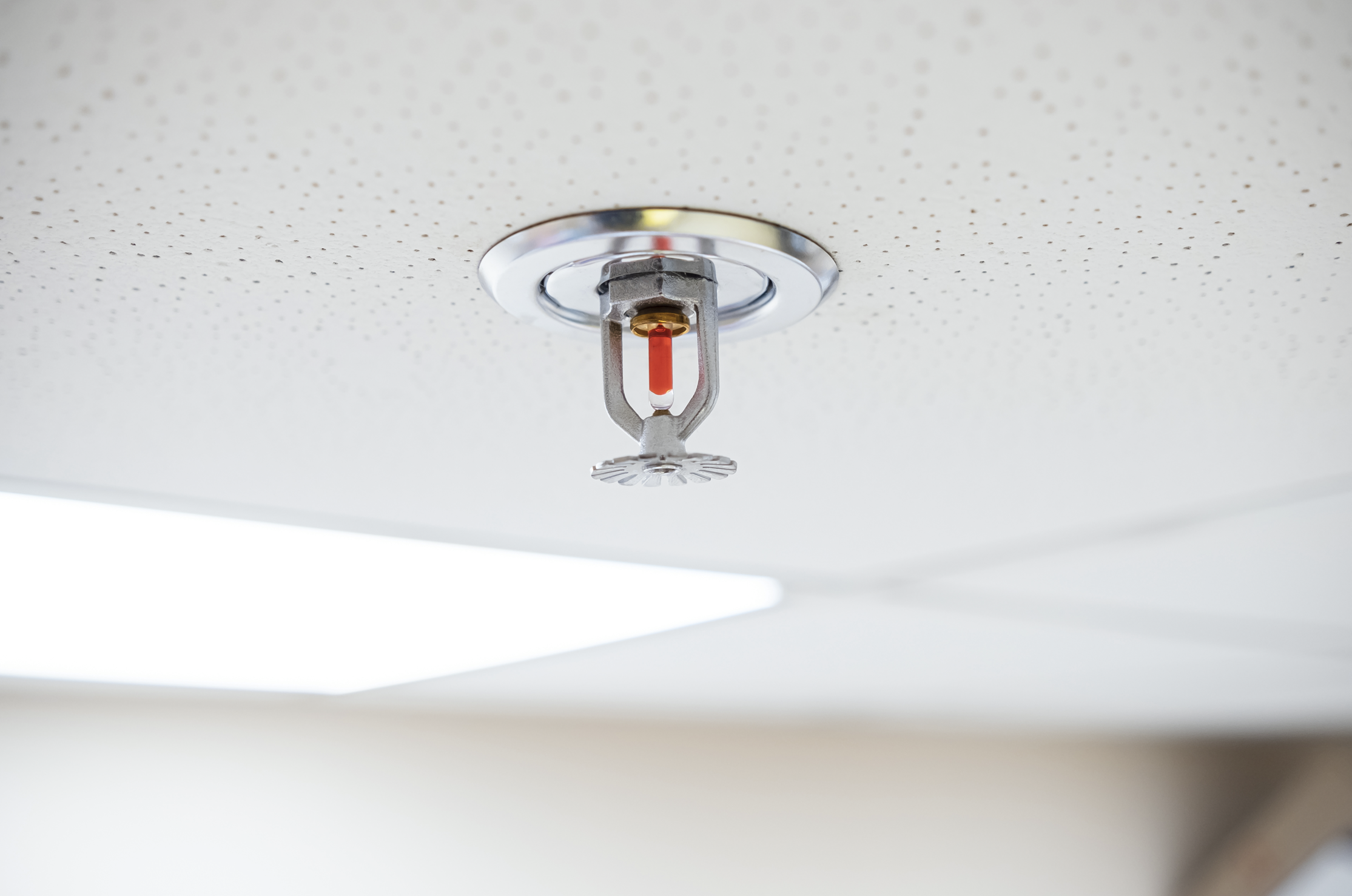
Fire hazards remain one of the most serious threats to storage facilities, especially when housing flammable materials, sensitive electronics, or valuable documents. Installing advanced fire suppression systems, such as those from Cease Fire, provides a reliable safeguard against emergencies that can escalate quickly.
These systems are designed to detect smoke or heat early and respond automatically. Beyond regulatory compliance, fire suppression technology demonstrates a proactive commitment to protecting assets and ensuring business continuity. Clients and employees alike gain peace of mind by incorporating such technology. They know that the facility is equipped to handle emergencies effectively, which enhances trust and reinforces the reputation of the business, and keeps operations running during crucial times.
Climate and Environmental Controls
Storage facilities often house items that are vulnerable to environmental changes. Fluctuations in temperature, humidity, and air quality can compromise the integrity of stored goods, leading to deterioration, mold growth, or corrosion. Climate control systems are essential to regulate these conditions. These ensure that sensitive materials such as electronics, pharmaceuticals, or archival records remain intact by maintaining stable environments. With this, businesses extend the lifespan of their inventory without constant replacement.
Environmental monitoring tools also provide early warnings when conditions shift. These allow managers to intervene before damage occurs, protecting assets and demonstrating a commitment to quality and reliability that clients value.
Emergency Preparedness and Response Plans
Even with advanced technology, no facility is immune to unexpected events. Having a clear emergency preparedness plan ensures that staff know exactly how to respond during crises. Effective plans should be adopted and put into place by facility managers and business owners in evacuation routes, communication protocols, equipment management, and designated safety officers who can coordinate responses.
To build this system up, regular drills and training sessions should be held to reinforce procedures. With these regular practices, managers build confidence among employees and reduce panic when emergencies arise, resulting in a well-prepared and coordinated team in urgent situations. Businesses that prioritize preparedness demonstrate leadership and responsibility.
Routine Safety Inspections and Maintenance
Safety measures are only effective when they are consistently maintained. Routine inspections of fire suppression systems and environmental equipment help identify wear and tear before it leads to failure.
Managers should hold scheduled maintenance to ensure that alarms, sensors, and backup systems remain fully operational to reduce the risk of unexpected breakdowns. It’s also important to document inspections and repairs to support compliance with industry standards and insurance requirements. This way, businesses prevent accidents and reinforce their reputation as trustworthy providers of secure storage solutions.
Conclusion
A secure and well-maintained storage facility is a cornerstone of business continuity. By implementing robust access controls, advanced fire suppression systems, climate regulation, emergency preparedness, and routine inspections, businesses can safeguard their assets and create a safe environment for employees and clients alike.
Safety is not a one-time investment; it’s an ongoing commitment that sets secure facilities apart as dependable partners.