


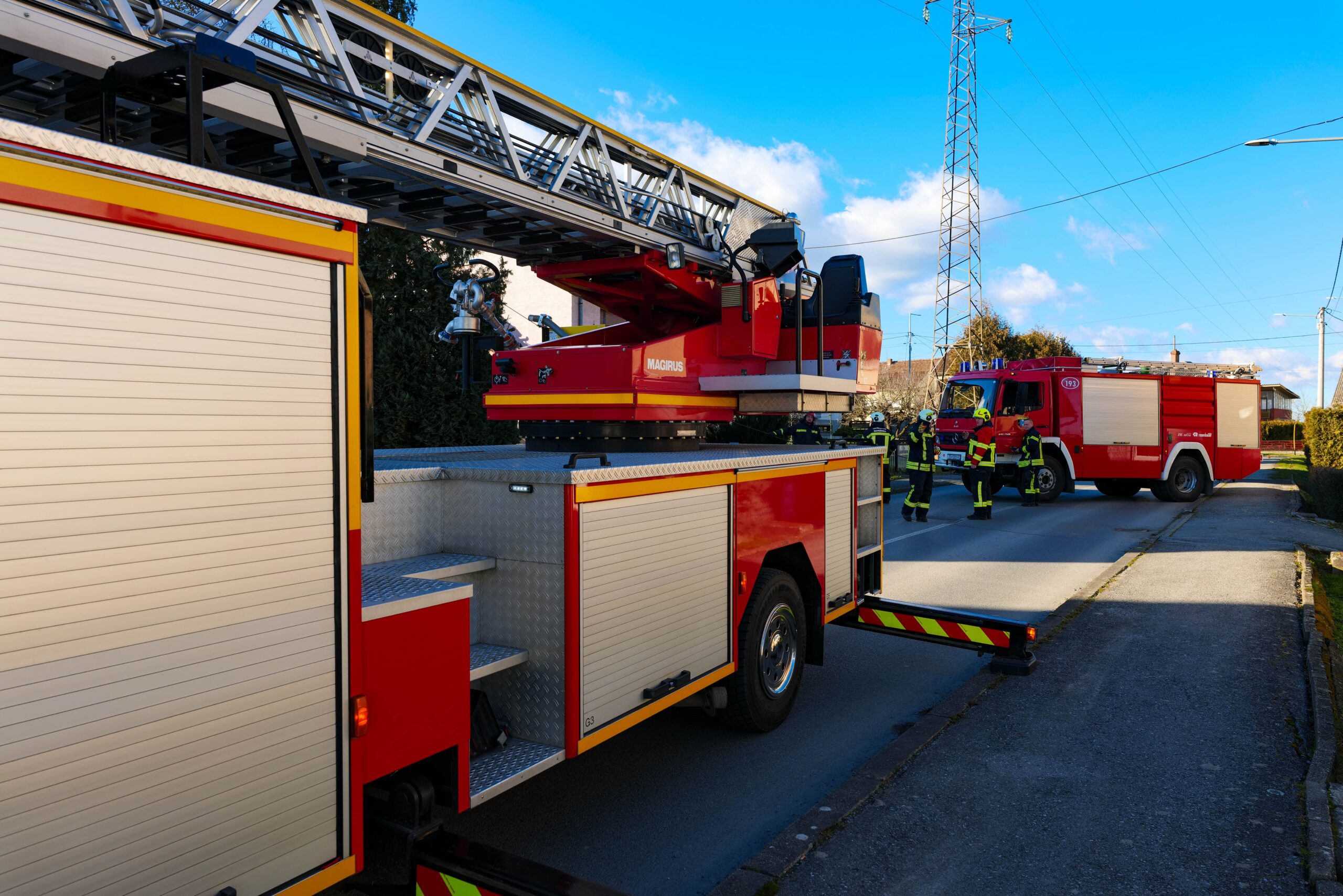
Wildland fires can spread quickly across fields, forests, grasslands, and rural properties, making a fast response essential. Fire departments often rely on specialized vehicles that can travel across rough terrain while carrying the equipment needed to suppress fires before they become larger incidents. These vehicles play an important role in protecting people and property.
Unlike standard fire engines that are commonly used in urban areas, brush fire trucks are designed to operate where paved roads may not exist. Their combination of mobility, water storage, firefighting equipment, durable construction, off-road capability, compact size, and practical design allows firefighters to respond effectively in environments that present unique challenges.
Supporting Access Across Difficult Terrain
Wildland emergencies often occur in locations that are difficult to reach with larger apparatus. Dirt roads, narrow trails, uneven ground, rocky paths, steep slopes, sandy surfaces, muddy conditions, and heavily wooded areas can limit access for traditional fire engines.
Because of their design, brush fire trucks are better suited for these environments. Many models feature four-wheel drive, higher ground clearance, durable suspension systems, reinforced tires, compact dimensions, and strong maneuverability that help crews travel safely through challenging landscapes.
Access is often one of the most important factors during the early stages of a fire. Reaching an incident quickly allows firefighters to begin suppression efforts before flames spread into larger areas.
Improved mobility also helps crews position equipment closer to the fire line while reducing travel time between water sources and active operations.
Carrying Equipment for Wildland Operations
Brush fire response requires more than water alone. Firefighters depend on specialized equipment that supports suppression efforts under changing field conditions.
Many vehicles are equipped to carry hoses, portable pumps, hand tools, water tanks, foam systems, radios, protective equipment, medical supplies, emergency lighting, fuel containers, and additional firefighting resources. Organizing these items efficiently helps crews locate equipment quickly when every minute matters.
Equipment storage also contributes to operational efficiency. Secure compartments protect tools during transportation while allowing firefighters to access essential gear without unnecessary delays.
Proper organization becomes especially valuable during extended incidents where multiple crews may share equipment throughout the response.
Improving Safety During Fire Suppression
Wildland firefighting presents many hazards that differ from structural firefighting. Changing weather conditions, shifting wind patterns, uneven terrain, falling debris, limited visibility, smoke exposure, high temperatures, and rapidly moving fire fronts all require careful planning.
Specialized vehicles support firefighter safety by allowing crews to transport essential equipment closer to the incident while maintaining communication with other responding units. Reliable transportation also provides greater flexibility when repositioning during changing fire conditions.
Vehicle design contributes to safety as well. Stable handling, dependable braking systems, durable construction, protective lighting, secure equipment storage, and reliable off-road performance all support safer field operations.
Even with capable equipment, successful wildfire response continues to depend on proper training, sound judgment, coordinated teamwork, and established safety procedures.
Adapting to Different Emergency Situations
Although commonly associated with grass and brush fires, these vehicles often assist with many other emergencies throughout the year. Fire departments may use them during rescue operations, storm response, search activities, rural medical support, flood assistance, public safety events, and disaster recovery efforts.
Their ability to reach remote locations makes them valuable for incidents beyond wildfire suppression. Communities with large rural areas frequently benefit from equipment that performs well in locations where larger emergency vehicles may face access limitations.
Departments also consider local geography when selecting apparatus. Terrain, climate, vegetation, road conditions, seasonal weather patterns, available water sources, community size, and expected call volume all influence equipment needs. Choosing vehicles that match local conditions helps improve operational readiness throughout the year.
Strengthening Wildland Fire Response
Wildland firefighting requires specialized equipment that supports mobility, safety, organization, and operational flexibility. Brush fire trucks help emergency responders reach difficult locations, transport essential equipment, improve firefighter safety, adapt to changing conditions, and respond effectively across a wide variety of rural environments.
While no vehicle can eliminate every challenge presented by wildland fires, selecting equipment designed for demanding terrain helps strengthen emergency preparedness. Combined with proper maintenance, ongoing training, coordinated teamwork, careful planning, and sound operational practices, these specialized vehicles continue to play an important role in protecting communities and natural landscapes from the effects of wildland fires.