


The exhausting demands of the traditional healthcare system are pushing thousands of skilled medical professionals to their absolute limits. For years, dedicated nurses, physicians, and physician assistants have accepted sleepless nights and chronic understaffing as normal parts of their careers. Working under these high-stress conditions for years takes a massive toll on a person’s mental and physical health.
Many healthcare workers are actively looking for an honorable exit strategy. They want a path that preserves their medical credentials while restoring their personal lives.
The fast-growing field of cosmetic medicine has emerged as a beacon of hope for these exhausted clinicians. Transitioning into the beauty and wellness space offers an exciting way to practice patient care without sacrificing your own happiness.
Escaping the Toll of Disruptive Overnight Shifts
Working the graveyard shift does far more than disrupt normal sleeping patterns. Years of fighting the body’s natural clock can lead to chronic fatigue, weakened immunity, and severe emotional exhaustion. Due to rigid hospital schedules, medical professionals frequently miss important family milestones and holiday dinners.
Stepping into an aesthetic practice completely changes the daily dynamic for a burnt-out medical professional. Cosmetic clinics operate during normal business hours, allowing employees to enjoy predictable routines and free weekends. Returning to a standard daylight schedule helps clinicians heal their bodies, spend quality time with loved ones, and rediscover their passion for helping people.
Transforming Advanced Clinical Skills for Facial Artistry
Moving away from a hospital setting does not mean a provider is throwing away their expensive education and years of intense training. The exceptional hand-eye coordination, sterile technique, and patient assessment skills learned in acute care translate perfectly into aesthetic procedures. Clinicians who are used to starting difficult intravenous lines or managing complex trauma cases possess an elite level of spatial awareness.
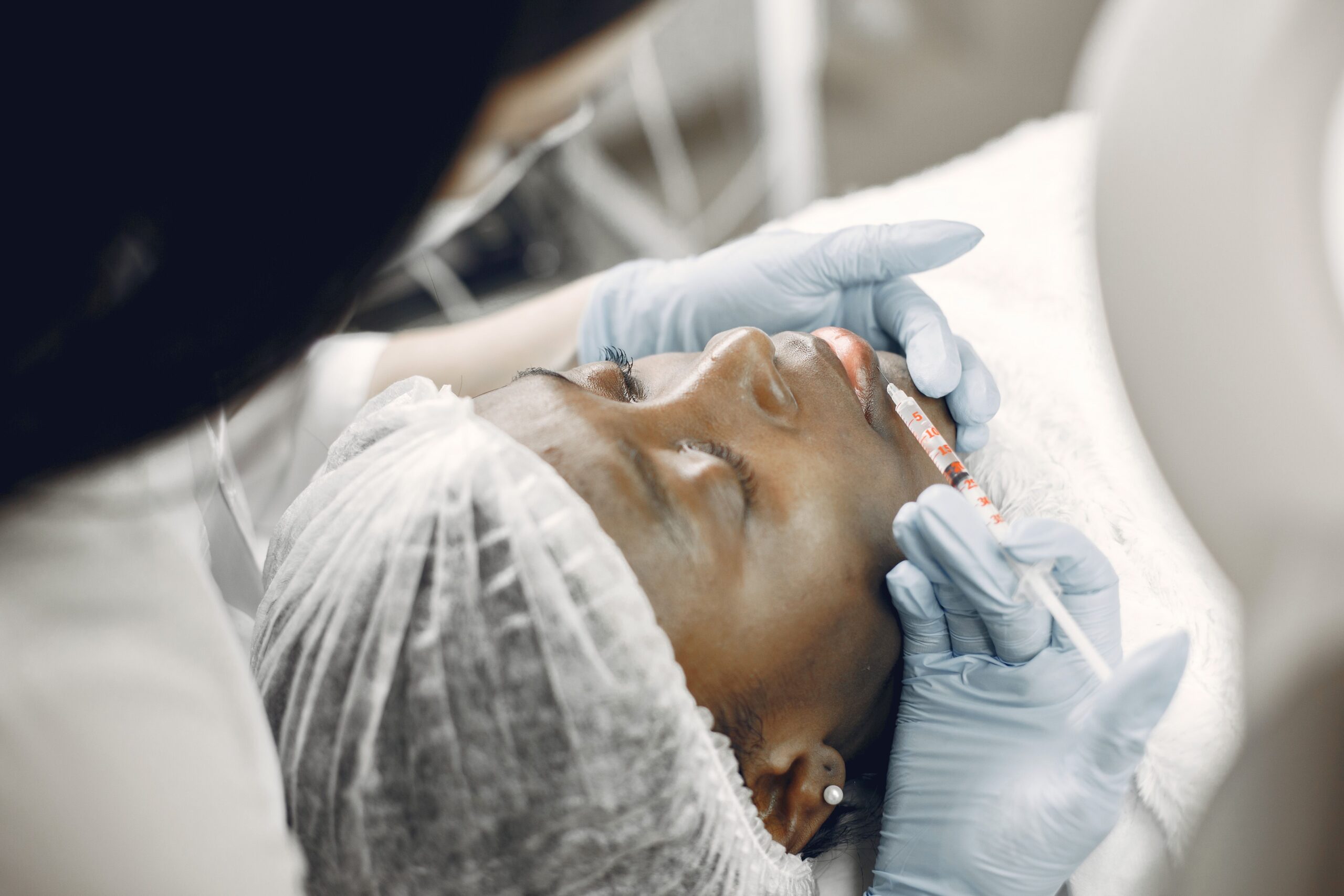
These professionals already understand complex facial anatomy better than the average trainee. When learning to inject neuromodulators or dermal fillers, they naturally apply the same strict safety protocols used in the operating room. This strong clinical foundation ensures that patients receive precise treatments while keeping the risk of complications remarkably low.
Choosing a Reputable Pathway for Professional Certification
Entering the competitive world of cosmetic medicine requires specialized training that goes far beyond standard university textbooks. Because facial aesthetics is highly technical, providers must learn the exact mechanics of muscle movement and soft tissue interaction. It is vital to select an educational program that offers comprehensive instruction and extensive, hands-on experience with live clients.
Ambitious clinicians frequently turn to established educators like Aesthetic Medical Training to learn core injectable procedures safely and confidently. These detailed workshops teach medical workers how to analyze diverse facial structures and handle various cosmetic products correctly.
Acquiring a recognized certification from an accredited institution provides the clinical authority needed to launch a successful career in a private medical spa. This credential bridges the gap between traditional medicine and the booming beauty industry.
Building Lasting and Meaningful Relationships with Clients
In a chaotic emergency department or busy urgent care center, patient interactions are often brief, stressful, and entirely transactional. Providers rarely get to see the long-term results of their hard work before the next patient fills the bed. This fast-paced environment makes it incredibly difficult to form the deep human connections that drew many people to medicine.
- Fostering Long-Term Trust: Aesthetic medicine thrives on repeat appointments where providers watch their clients grow more confident over several years.
- Celebrating Positive Visual Outcomes: Clinicians get the unique satisfaction of seeing immediate, tangible improvements in a person’s self-image.
- Encouraging Proactive Skin Health: Consultations allow providers to teach clients about daily sun protection, proper nutrition, and healthy aging habits.
- Creating a Positive Sanctuary: Patients enter a wellness clinic by choice and are genuinely excited to partner with their practitioner.
This uplifting clinical atmosphere replaces the constant grief of a hospital ward with a sense of shared joy and mutual appreciation.
Reclaiming Full Control Over Personal Career Growth
The corporate structure of a modern hospital often leaves clinicians feeling like replaceable cogs in a massive financial wheel. Upward mobility is frequently restricted by rigid institutional hierarchies, corporate budgeting caps, and endless insurance company paperwork. Hard work rarely translates into direct financial reward or professional independence under these traditional models.
Operating in a cash-based aesthetic environment removes these bureaucratic barriers entirely and gives providers true entrepreneurial freedom. Practitioners can set their own pace, design their treatment menus, and benefit directly from their growing reputation. This financial flexibility allows medical professionals to build a prosperous future that aligns perfectly with their personal lifestyle goals.
Conclusion
Leaving the hospital night shift behind is a powerful act of self-preservation for healthcare workers suffering from systemic burnout. The thriving field of medical aesthetics provides a perfect venue to apply elite clinical talents within a supportive, low-stress environment. By investing in proper educational courses, exhausted clinicians can smoothly pivot into a lifestyle that respects their boundaries and rewards their skills.
Embracing this new career path allows dedicated healers to transform lives through confidence-boosting treatments while finally enjoying the peaceful, balanced life they deserve.