


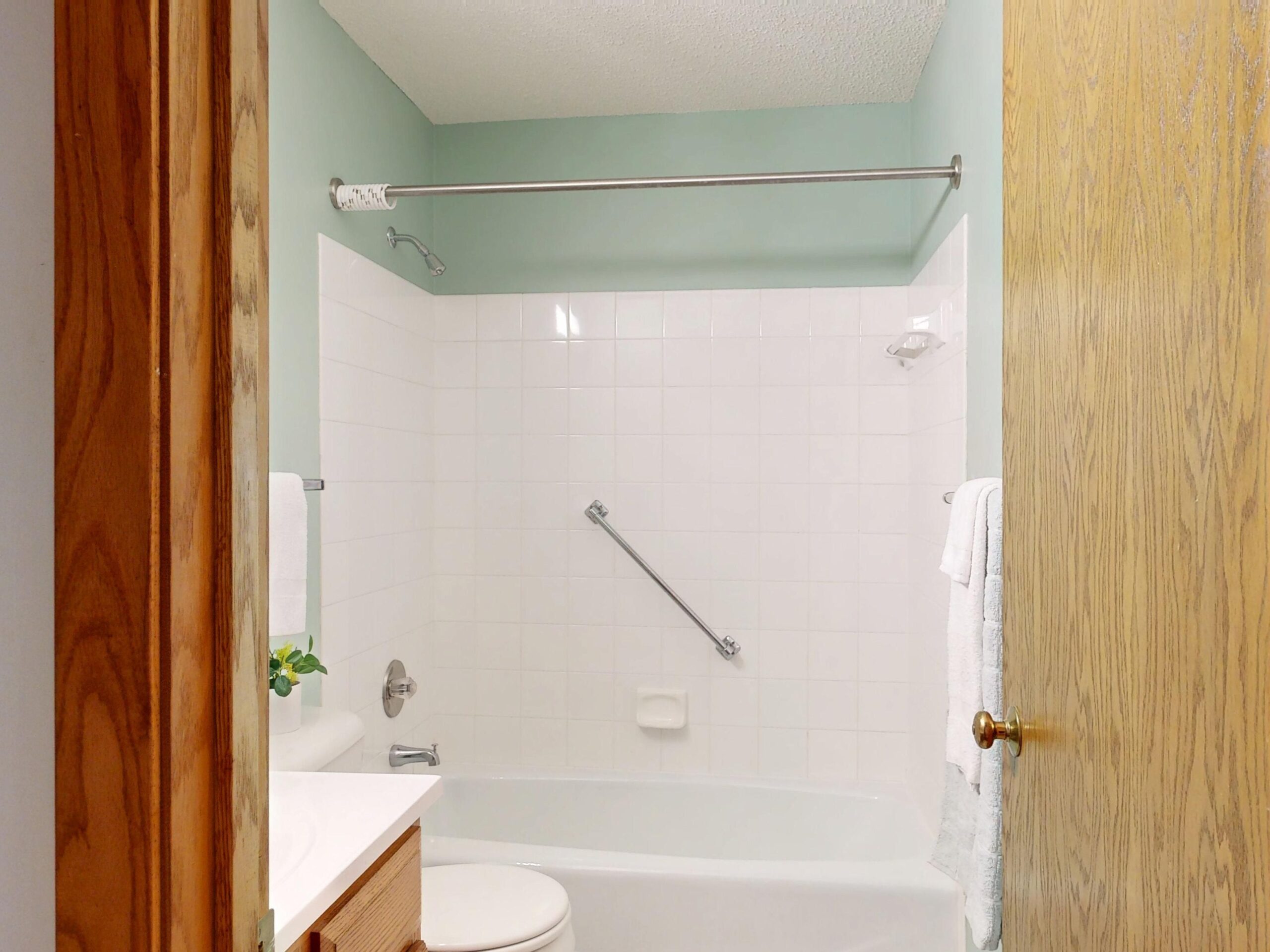
Bathrooms are among the most common places where slips and falls happen at home. Wet floors, smooth surfaces, limited space, and quick movements can create situations where a person loses balance without warning. Because of this, many homeowners look for practical ways to improve safety without changing the entire bathroom. One simple improvement is shower grab handle installation, which provides dependable support while entering, leaving, or moving around the shower area.
A properly installed grab handle does more than add a safety feature. It helps create confidence for older adults, people recovering from surgery, individuals with mobility concerns, and even healthy family members who simply want extra stability. As more households focus on making homes safer for every generation, shower grab handles continue to become an important part of thoughtful bathroom planning.
Choosing the Right Installation Location
The location of a grab handle matters just as much as the handle itself. Installing one near the shower entrance can provide support when stepping over a tub edge or threshold. Another common location is along the shower wall where users naturally reach while standing, turning, or adjusting the water. Every bathroom layout is different, so placement should match the way people actually use the space rather than following a standard pattern.
Wall construction also plays an important role during installation. Grab handles should be attached securely to wall studs or another approved structural support instead of relying only on tile or drywall. This allows the handle to support body weight when needed. While decorative suction products may seem convenient, they are generally intended for light assistance rather than dependable support during a loss of balance.
Selecting the Appropriate Grab Handle
Grab handles come in different lengths, finishes, materials, mounting styles, weight capacities, and designs. Choosing the right one depends on the available wall space, the user’s needs, the bathroom layout, and the desired level of support. Longer handles may provide more flexibility for hand placement, while shorter models can fit smaller shower enclosures where wall space is limited.
Material selection is another factor worth considering. Stainless steel remains one of the most common options because it resists moisture, corrosion, frequent cleaning, and daily use. Some homeowners also prefer textured surfaces that offer a better grip, especially when hands are wet. Others choose finishes that blend with existing bathroom fixtures while still maintaining the handle’s primary safety purpose.
Appearance should never outweigh function. Although modern grab handles can complement a bathroom’s style, their main goal is to provide dependable assistance. A product that looks attractive but lacks proper support will not deliver the protection users expect during everyday activities.
Preparing the Bathroom for Installation
Proper preparation makes the installation process more successful. Before drilling into any wall, it is important to identify plumbing lines, electrical wiring, wall studs, tile patterns, surrounding fixtures, and mounting clearances. Taking time to measure carefully helps prevent unnecessary damage while ensuring the grab handle ends up where it provides the greatest benefit.
The mounting hardware supplied with the grab handle should also match the wall material. Tile, fiberglass surrounds, natural stone, and acrylic panels may each require different installation methods. Following the manufacturer’s instructions helps achieve a secure attachment that performs well over time.
Even after installation, homeowners should inspect grab handles occasionally. Loose screws, damaged mounting plates, worn finishes, visible corrosion, or movement during use may indicate that maintenance is needed. Addressing small concerns early helps preserve both safety and product performance for years to come.
Supporting Everyday Bathroom Safety
Shower grab handle installation works best when combined with other thoughtful bathroom safety improvements. Slip-resistant flooring, adequate lighting, comfortable shower seating when appropriate, handheld showerheads, easy-to-reach storage, and clutter-free walkways all contribute to creating a safer environment. Together, these features reduce unnecessary risks without making the bathroom feel overly clinical.
Bathroom safety is valuable for people of every age. Children may benefit from extra stability while learning independent routines, adults appreciate added confidence during busy mornings, and older family members often enjoy greater independence with dependable support available nearby. Small changes can have a meaningful impact on daily comfort.
Maintaining Long-Term Bathroom Safety
A successful shower grab handle installation is only the beginning. Regular inspections help confirm that mounting hardware remains secure, the handle stays firmly attached, surrounding wall materials remain in good condition, and no signs of wear affect its performance. A few minutes of routine maintenance can help ensure the grab handle continues providing reliable support over time.
As family needs change, bathroom safety features may also need adjustments. A grab handle installed years earlier may still perform well, yet another location or an additional handle could better meet changing mobility needs. Thinking ahead allows homeowners to adapt their spaces gradually instead of making rushed decisions later.
Ultimately, shower grab handle installation done by experts like 319 Ramps & Accessibility is a practical improvement that supports everyday safety without requiring major bathroom renovations. When installed correctly, positioned thoughtfully, maintained regularly, selected carefully, and used alongside other safety features, grab handles provide dependable assistance that helps people move through one of the home’s busiest spaces with greater confidence and peace of mind.