


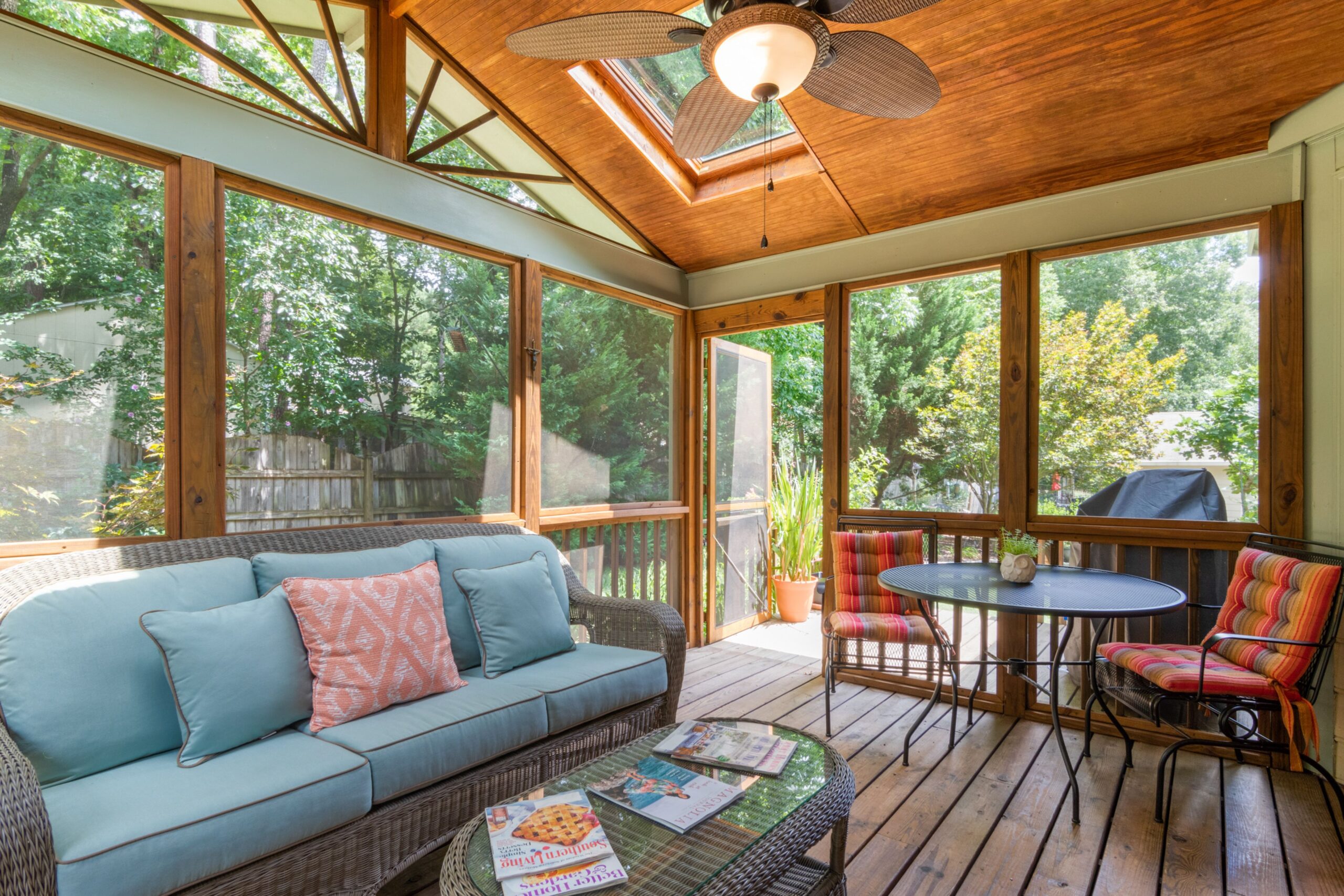
Adding a sunroom is a popular way to create extra living space while bringing more natural light into a home. Whether it becomes a reading area, a family gathering place, a hobby room, a home office, or a quiet space to enjoy the changing seasons, a well-designed sunroom can serve many purposes. Because it connects indoor comfort with outdoor views, this type of addition often becomes one of the most frequently used areas of the house.
Planning a sunroom involves more than choosing large windows or attractive finishes. The design, materials, location, insulation, ventilation, foundation, roofing, and overall layout all influence the comfort and durability of the finished space. Learning about different construction approaches helps homeowners understand the many choices available before construction begins.
Planning the Right Location
Choosing the best location is one of the earliest decisions in a sunroom project. The direction the room faces affects the amount of sunlight received throughout the day, while the existing layout of the home influences how naturally the new space connects with the rest of the house. Careful planning helps create a room that feels like an extension of the existing living area instead of an afterthought.
The surrounding landscape also deserves attention. Nearby trees, neighboring homes, fences, gardens, patios, walkways, outdoor living areas, and existing windows may all affect the amount of sunlight and privacy the room provides. Evaluating these factors before construction begins allows homeowners to make design choices that support comfort throughout the year.
It is also important to think about future use. A room designed for morning coffee may benefit from different sunlight exposure than one intended for afternoon relaxation or evening gatherings. Matching the location to everyday activities often improves the overall experience after the project is complete.
Choosing Durable Materials
Material selection plays a major role in the long-term performance of a sunroom. Framing materials, roofing systems, flooring, insulation, windows, doors, hardware, trim, and weather barriers all work together to create a comfortable and durable space. Selecting quality materials helps reduce maintenance while supporting better energy efficiency over time.
Many homeowners compare aluminum, vinyl, wood framing, and other materials because each offers different advantages. Window glass also varies in performance, with energy-efficient options helping reduce heat transfer while allowing natural light to enter the room. Roofing materials should complement both the home’s appearance and local climate conditions.
Designing a Functional Space
A successful sunroom balances appearance with everyday practicality. Furniture placement, electrical outlets, lighting, storage, window treatments, traffic flow, ceiling height, and overall room proportions all affect how comfortably the space can be used throughout the day.
Natural light offers many decorating opportunities, but it also requires thoughtful planning. Adjustable shades, blinds, curtains, tinted glass, and carefully placed furniture help reduce glare while protecting fabrics and flooring from prolonged sun exposure. These details improve usability without limiting outdoor views.
The room’s purpose should guide every design decision. A space intended for entertaining may require more seating, while a home office benefits from proper lighting and convenient electrical access. Matching the layout to daily routines creates a room that remains functional for many years.
Maintaining the Finished Addition
Once construction is complete, regular maintenance helps preserve both appearance and performance. Cleaning windows, inspecting seals, checking roof connections, maintaining gutters, examining weather stripping, lubricating moving hardware, and monitoring drainage all contribute to keeping the room in good condition.
Seasonal inspections can also identify small concerns before they become larger repairs. Minor issues involving moisture, loose trim, worn caulking, damaged screens, or aging seals are often easier to address when discovered early. Preventive care helps protect the investment while extending the life of the addition.
Simple cleaning routines also make a difference. Keeping glass clear, removing debris from surrounding areas, maintaining flooring, dusting window frames, and caring for furnishings help preserve the welcoming atmosphere that many homeowners enjoy in a sunroom.
Creating a Comfortable Living Space
A thoughtfully planned sunroom by experts like Timberbuilt Rooms provides additional living space while strengthening the connection between the home and the outdoors. Careful decisions involving location, materials, comfort features, layout, maintenance, and long-term use all contribute to creating a room that supports everyday living in every season.
Learning about construction methods can help homeowners better understand the possibilities before beginning a project. With careful planning and attention to detail, a well-built sunroom can become a bright, comfortable, and functional space that adds lasting enjoyment to the home for years to come.