


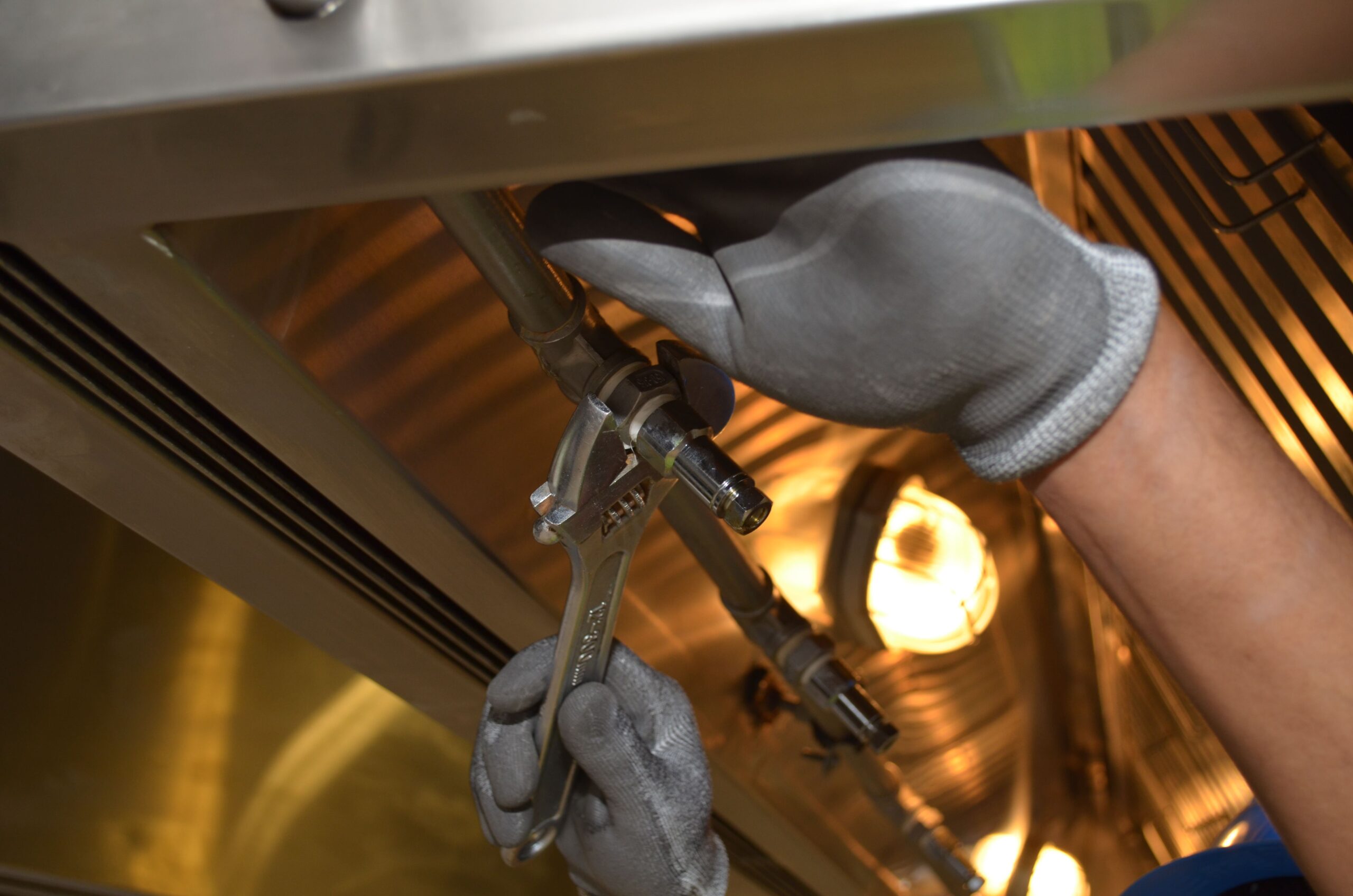
Plumbing problems can interrupt everyday life in ways that are difficult to ignore. A dripping faucet, slow drain, leaking pipe, broken water heater, or clogged toilet can quickly become a larger concern when it is left unresolved. Because plumbing systems are connected throughout a home, even a small problem can sometimes affect other areas. For this reason, homeowners often spend time looking for top-rated plumbers who can identify the cause of a problem and provide appropriate repairs.
Choosing a plumber should involve more than looking at a star rating. Experience, communication, licensing, service options, response times, workmanship, pricing practices, and customer feedback can all provide useful information. Understanding these factors makes it easier to compare plumbing professionals and choose someone who fits the needs of a particular household.
Checking Plumbing Experience
Experience can make a difference when a plumber is dealing with an unfamiliar or complicated problem. Plumbing systems can vary considerably depending on the home’s age, construction, previous repairs, pipe materials, fixtures, water pressure, and overall design. A professional who has worked with different systems may be better prepared to identify problems without relying only on obvious symptoms.
Experience also matters because plumbing issues do not always appear where the actual problem begins. A damp spot on a wall could be connected to a hidden pipe, while poor drainage could result from a blockage farther along the plumbing line. Careful inspection can help determine what is really happening before repairs are recommended.
Reviewing Licensing and Insurance
Licensing requirements vary by location, but homeowners should understand what credentials are expected where they live. Proper licensing can show that a plumber has met applicable training or professional requirements. It also gives homeowners a way to verify that they are dealing with an established professional rather than someone without the appropriate qualifications.
Insurance is another important consideration. Plumbing work can involve water, electrical connections, gas lines, heavy equipment, and access to areas that may be difficult to reach. Appropriate insurance helps protect both the homeowner and the plumbing company if an unexpected accident or property issue occurs during a job.
Before work begins, homeowners can ask questions about licensing, insurance, warranties, permits when applicable, and the scope of the proposed work. Clear answers can make the process easier while reducing confusion about what is included in the service.
Comparing Customer Reviews
Online reviews can provide useful information when comparing plumbers, but they should be viewed as one part of the decision. Reading several reviews instead of focusing on a single comment can reveal patterns involving punctuality, communication, workmanship, cleanliness, pricing, follow-up service, and how the company responds when problems arise.
Recent reviews may be especially helpful because businesses can change over time. A company that received strong feedback several years ago may operate differently today, while a newer business may have fewer reviews despite providing quality work. Looking at the overall pattern provides more context than relying on one rating.
It can also help to pay attention to reviews that describe situations similar to the plumbing issue at hand. Someone dealing with a sewer line problem may gain more useful information from customers who had comparable work completed than from reviews focused only on faucet repairs or routine maintenance.
Understanding Plumbing Costs
Plumbing costs can vary widely depending on the type of problem, the materials required, the location of the repair, the amount of labor involved, accessibility, and whether additional damage is discovered. Because of these differences, homeowners should be cautious about choosing a plumber based solely on the lowest initial price.
A very low estimate may not include necessary work, replacement materials, disposal fees, permits, or other costs that become apparent later. On the other hand, a higher price does not automatically mean better workmanship. Comparing the scope of work, materials, warranties, expected timeline, and other relevant details provides a more useful basis for evaluating estimates.
Homeowners can also ask whether routine maintenance might prevent the same problem from returning. In some cases, addressing the underlying cause may provide a better long-term solution than repeatedly repairing the same symptom.
Choosing Reliable Plumbing Care
Finding a dependable plumber takes some research, particularly when the work involves a major repair or an unexpected household emergency. Checking experience, verifying credentials, reading customer feedback, assessing communication, comparing service details, and understanding costs can help homeowners make more informed choices.
The goal is not simply to find top rated plumbers based on an online score. Instead, homeowners should look for professionals whose experience matches the job, who communicate clearly, who follow appropriate safety requirements, who explain their recommendations, and who provide a clear understanding of the work being performed.
At the end of the day, good plumbing service is about more than fixing a leaking pipe or clearing a blocked drain. Proper repairs can help protect the home, reduce water waste, prevent additional damage, maintain comfortable living conditions, and keep essential systems working properly. Taking time to evaluate plumbing professionals before hiring one can help homeowners feel more prepared when routine maintenance or an unexpected repair becomes necessary.