


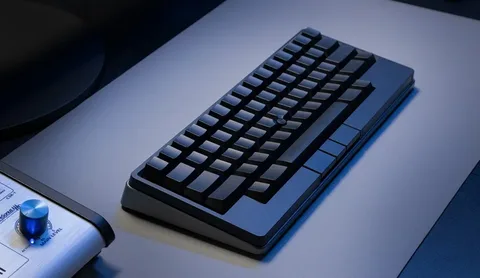
Choosing between wireless and wired setups has become a key decision for keyboard users, especially as compact layouts continue to grow in popularity. The Wireless vs Wired compact 60 keyboard: Pros and Cons debate is not just about convenience—it also affects performance, portability, and long-term usability.
This guide breaks down both options so you can decide which one fits your workflow, gaming style, or minimalist desk setup best.
Understanding the Compact 60 Keyboard Layout
A compact 60% keyboard removes the function row, navigation cluster, and numpad, leaving only the essential alphanumeric keys. This makes it highly portable and ideal for clean, minimal desk setups.
When comparing a Wireless vs Wired Compact 60 Keyboard: Pros and Cons, the compact design plays a major role because it amplifies both the advantages and limitations of connectivity choices.
Wireless Compact 60 Keyboards: Pros and Cons
Wireless models rely on Bluetooth or a USB receiver to connect to your device, eliminating cable clutter.
Pros of Wireless Keyboards
Wireless compact keyboards are popular for their flexibility and clean aesthetics.
- Clutter-free setup: No cables means a cleaner desk space
- High portability: Easy to carry for travel or remote work
- Multi-device switching: Many models support switching between laptops, tablets, and phones
- Modern aesthetic: Complements minimalist setups perfectly
Cons of Wireless Keyboards
Despite their appeal, wireless options come with trade-offs.
- Battery dependency: Requires charging or battery replacement
- Potential latency: Slight input delay in some models, especially Bluetooth
- Connectivity issues: Occasional pairing drops or interference
- Higher cost: Usually more expensive than wired alternatives
When evaluating the Wireless vs Wired Compact 60 Keyboard: Pros and Cons, wireless options stand out for convenience but may not always meet the needs of competitive users.
Wired Compact 60 Keyboards: Pros and Cons
Wired keyboards connect directly through USB, offering a stable and consistent connection.
Pros of Wired Keyboards
Wired models are often preferred by gamers and professionals who prioritize reliability.
- Zero latency: Instant response time for typing and gaming
- Stable connection: No risk of signal interference or disconnection
- No charging required: Continuous use without battery concerns
- Generally more affordable: Better performance per price ratio
Cons of Wired Keyboards
However, wired setups are not without limitations.
- Cable clutter: Can reduce desk cleanliness
- Less portable: Cables make them harder to carry around
- Limited flexibility: Fixed connection to one device at a time
- Cable wear and tear: Long-term durability issues if not managed well
In the Wireless vs Wired Compact 60 Keyboard: Pros and Cons discussion, wired keyboards are clearly stronger in performance consistency but weaker in flexibility.
Wireless vs Wired Compact 60 Keyboard: Pros and Cons Compared
When directly comparing both types, your decision depends on your priorities.
Performance
Wired keyboards generally win in performance due to zero latency. Wireless models have improved significantly but may still lag in competitive environments.
Portability
Wireless keyboards take the lead here, offering unmatched convenience for travel and flexible setups.
Desk Setup
If aesthetics matter, wireless is ideal for maintaining a clean and modern workspace.
Reliability
Wired keyboards provide consistent performance without worrying about charging or connectivity.
This section highlights why the Wireless vs Wired Compact 60 Keyboard: Pros and Cons comparison is so important for users who rely heavily on either gaming or productivity workflows.
Which One Should You Choose?
Your choice ultimately depends on how you plan to use your keyboard:
- Choose wireless if you value portability, aesthetics, and multi-device use
- Choose wired if you prioritize performance, stability, and cost efficiency
For many users, the Wireless vs Wired Compact 60 Keyboard: Pros and Cons decision comes down to balancing convenience with reliability.
Final Thoughts
Both wireless and wired compact 60% keyboards offer strong benefits, but neither is universally better than the other. Wireless models excel in modern, flexible setups, while wired versions remain the gold standard for consistent performance.
Understanding the Wireless vs Wired Compact 60 Keyboard: Pros and Cons helps you make a smarter choice based on your daily needs, whether you’re gaming, working, or building a minimalist workspace.